Key Takeaways
- Stable power is critical for system reliability
- Dirty power introduces EMI/RFI, noise, and degrades sound
- Power issues, including voltage sags, spikes, and phase loss, can damage equipment
- Improper grounding increases shock and injury risk
- Surge protection and power conditioning help mitigate electrical issues
Clean, reliable power is critical to keeping you and your gear from experiencing any sudden shocks – literally and/or figuratively.
While there are many things musicians, engineers, and techs should be aware of (and do) to avoid power problems in any music-making setting, investing in a surge protector/power conditioner designed specifically for our industry (as Radial’s Power Series are) is a good start.
Clean Power: The Foundation of a Reliable Rig
When managing electrical requirements for instruments, amplifiers, sound, and lighting systems, attention to detail has always been key. These days, however, with stages and studios populated with a huge amount of gear (including laptops, tablets, and smartphones) that’s highly sensitive to power surges and fluctuations, perhaps more than ever.
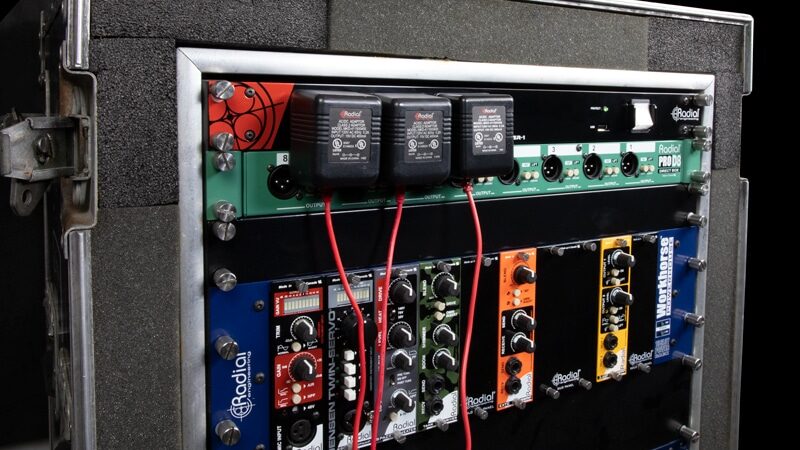
Virtually everyone in our business has experienced power problems: they’ve seen them (flickering screens), heard them (hum, buzz, EMI/RFI interference), and felt them (getting a shock – hopefully minor – from a mic, their amp, or other gear).
Power problems have multiple causes: gear that’s improperly grounded or not grounded at all, voltage sags – a temporary reduction in voltage caused by an increase in current demand and/or loose connections, phase loss – typically caused by blowing a fuse, broken, damaged wires or contacts, or mechanical failures. They can be a result of damaged power cables, poor cable management, loose connections, and faulty power supplies – to name just a few examples.
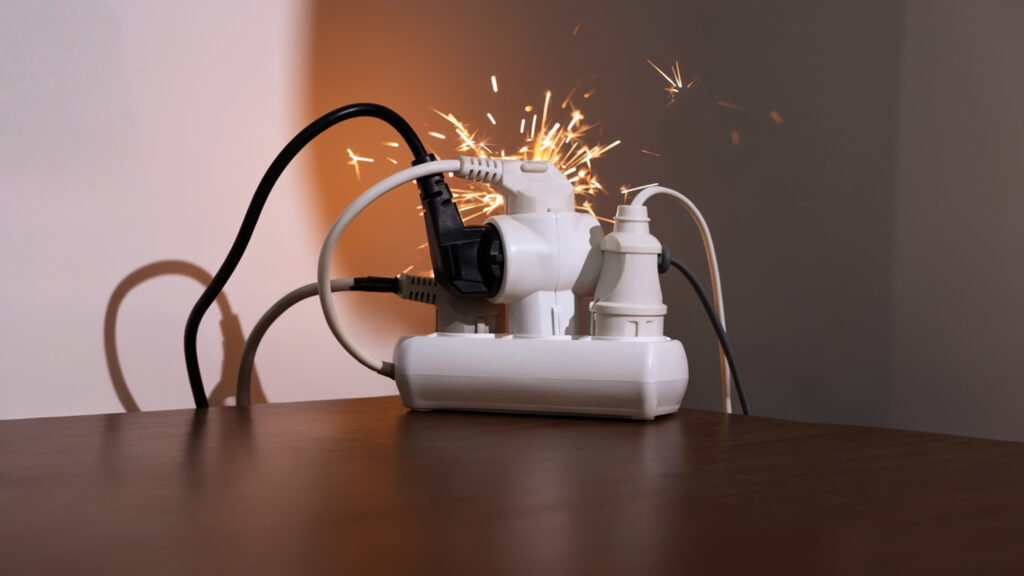
Another culprit is dirty power, typically a term used to describe a system that doesn’t provide power/electricity that conforms to the voltage and frequency in a given area (in North America, 120V at 60Hz), and is prone to fluctuations, surges, spikes, dips, and/or interference.
At the least, dirty power and other electrical issues can negatively impact how your gear performs, decrease its lifespan, damage or destroy it. There’s also the risk of losing data (be it a fantastic take you just laid down or the painstaking programming you’ve done to get that fantastic take) and all the noise, hum, and hiss that comes from EMI (electromagnetic interference) and RFI (radio frequency interference).
Safety First
The show must go on is a laudable attitude to have, but when it comes to electrical hazards, the show is no longer the priority. Safety is.
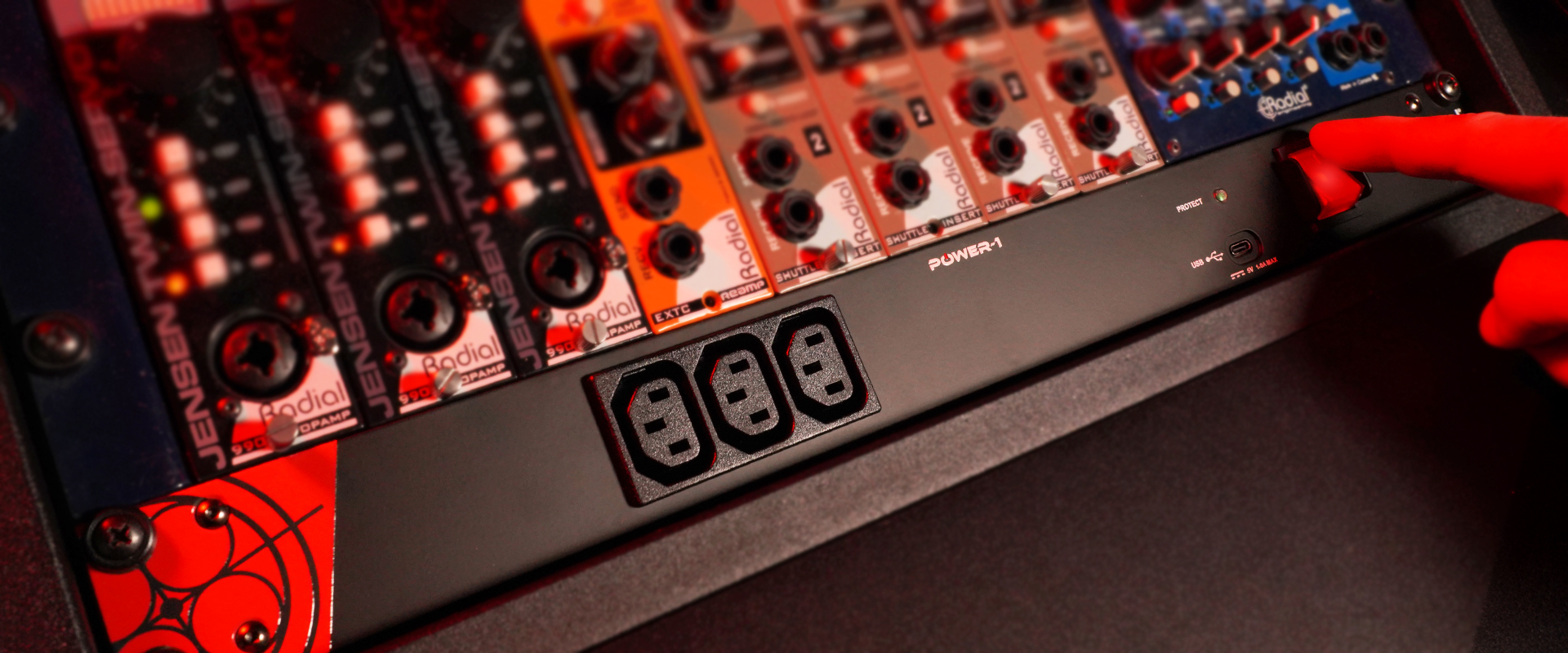
Electricity doesn’t care what your role is on a show or in a session. The potential consequences of ‘bad’ power are bad for everyone – the danger, however, can be mitigated by adhering to standard electrical safety practices, including:
- Using separate circuits as needed (particularly for audio and lighting).
- Ensuring your gear is properly grounded and electrical loads are balanced, and that any power problems that do present themselves are dealt with quickly and comprehensively.
- Checking plugs, power cables, and power connections regularly for damage.
- Storing and transporting power cables properly – avoiding coiling cables tightly, knotting them, and using the ‘over-under’ method to deal with loose cables.
- Doing your research: Has the venue, festival, equipment provider, the building, or the studio you’re recording in laissez-faire about electrics? Have you, or others, had issues at the gig or facility before?
- Eyeballing electrical infrastructure for obvious issues. For example, an extension cord stapled to a wall to extend power from one place to another, missing ground pins, cracked or loose outlets.
- Ensuring cables are deployed safely and securely, using cable ramps, for example, to prevent the accidental disconnection of, or damage to, power cables.
- Adding a voltmeter (VOM) or digital multimeter (DMM) to your kit to diagnose electrical issues and validate voltage levels.
- Using surge protectors and power conditioners to deal with voltage sags, spikes, surges, electrical interference, and noise.
- Calling attention to power problems, diagnosing them, and addressing them immediately.
If you do see, hear, or feel something, call it out: ‘Oops, got a bit of a shock there – oh well’ is not an ideal way of dealing with potential issues. And, ‘Ah, that happens sometimes’ is not an appropriate response when issues do arise. Draw attention to and address the issue immediately.
Get ahead of power problems with the right gear
Surge protectors, as the name implies, protect your devices from power surges; essentially taking the electrical bullet for your gear via a metal oxide varistor (MOV), which allows stable and steady current to pass, prevents damage from power surges and spikes, and, if necessary, sacrifices itself when things get really out of hand.
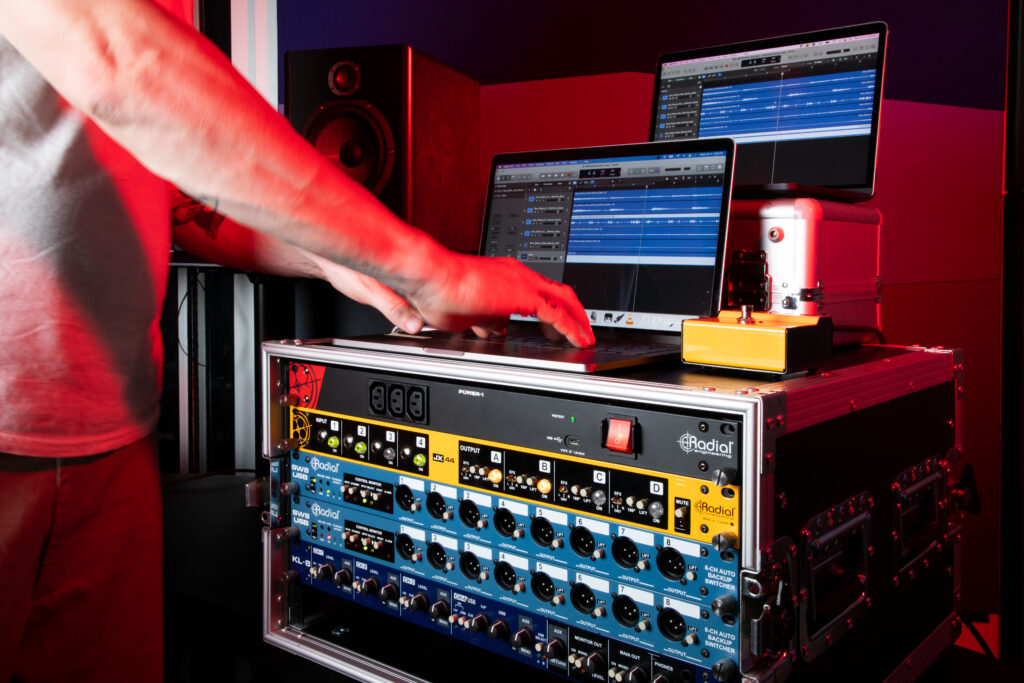
Power conditioners offer additional features beyond surge protection, such as the ability to filter out or reduce noise and interference that diminishes audio quality.
Remember, these devices are constantly working to keep you and your equipment safe. They can and do provide years of peace of mind and trouble-free use, but eventually they’ll need to be replaced. If they take a substantial enough hit, immediately.
Radial Power Series – Clean power, without compromise
Here at Radial, we pride ourselves on the fact that our technology is purpose-built to address common and uncommon problems musicians, engineers, and technicians experience on stage and in the studio. And, as with all our gear, that’s what drove the creation of our Power Series of Surge Protectors and Power Conditioners.
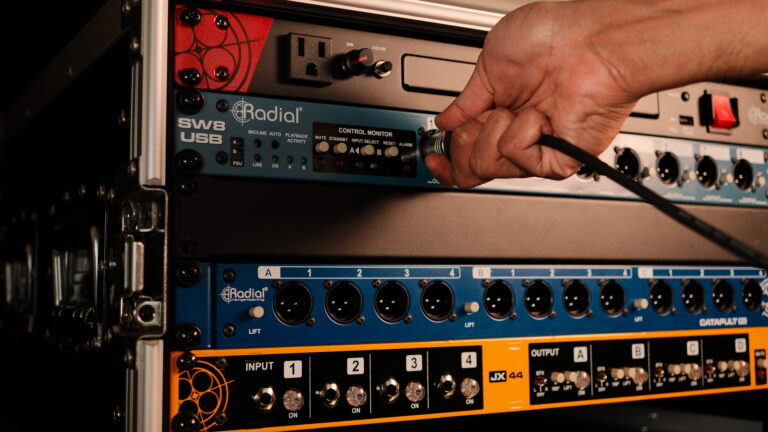
All are equipped with Premium MOVs, a front panel LED fault protection indicator, high-rejection RF interference filtering, and are housed in a rugged, 1RU rack-mount that’s built to withstand the punishment (physically and electrically) that touring, recording, and travelling dishes out. While offering feature sets that also take functionality and convenience into account.
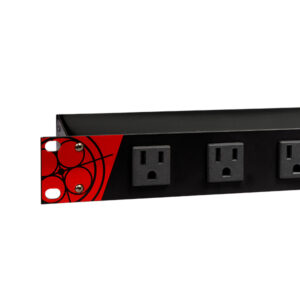
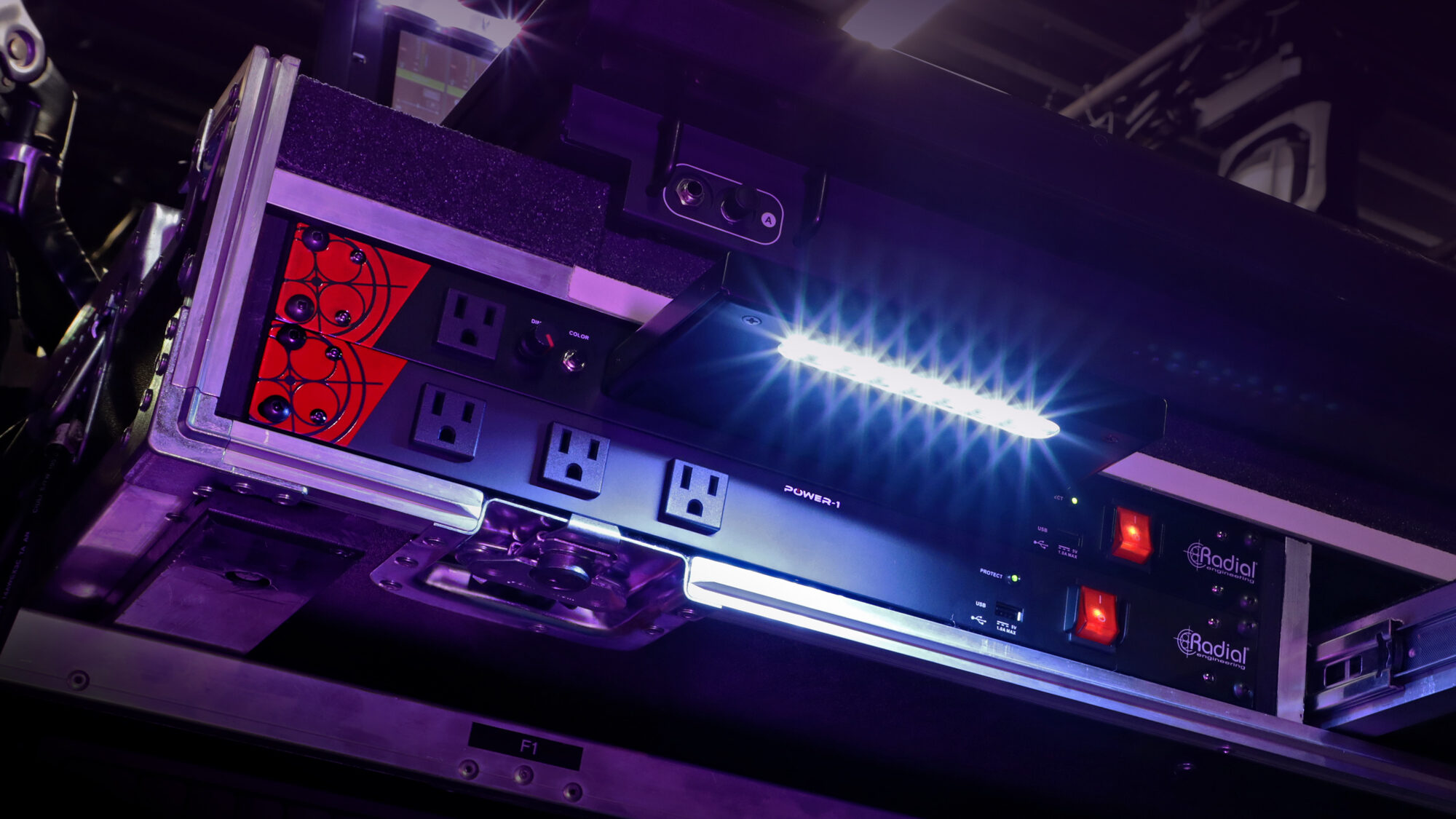
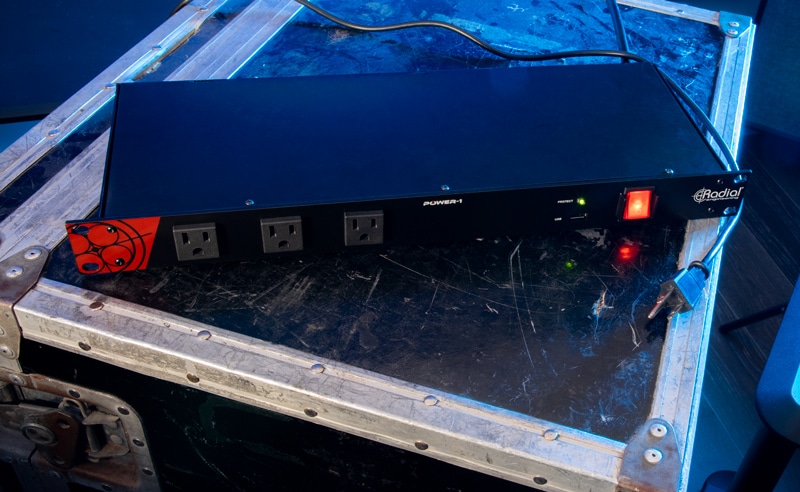
Power-1: The first release in Radial’s Power Series (and a nominee for the NAMM TEC Award), which features 8 rear panel outlets (4 with wall-wart spacing), and, on the front panel, 3 always-on outlets and a convenient USB charging port.
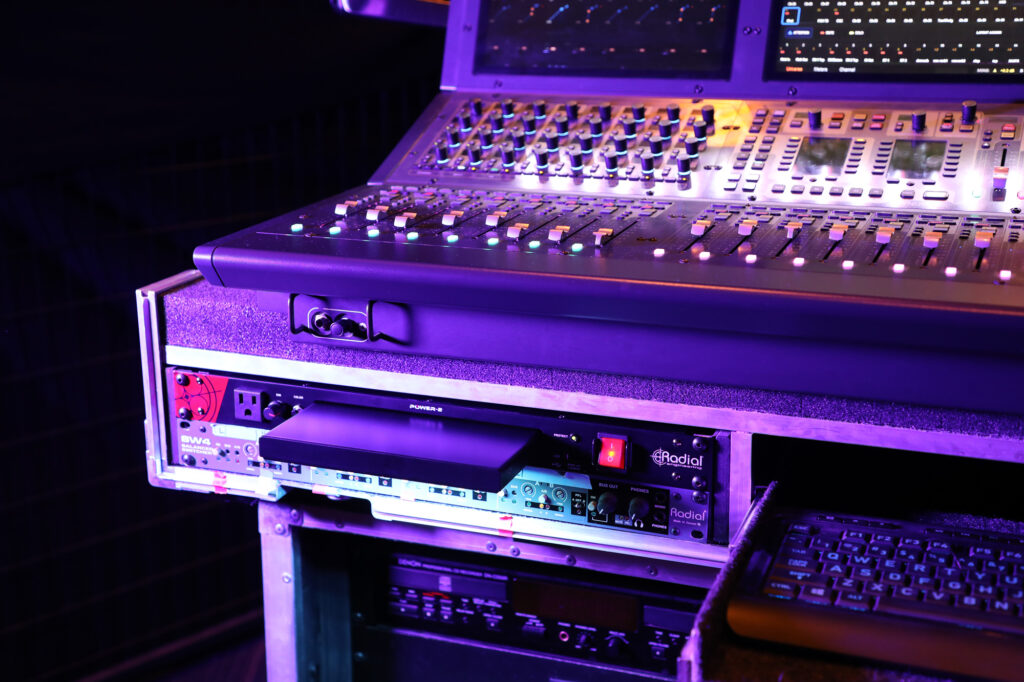
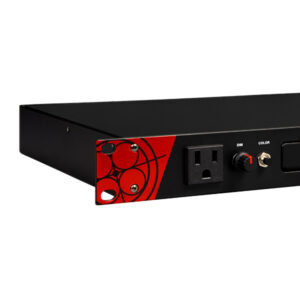
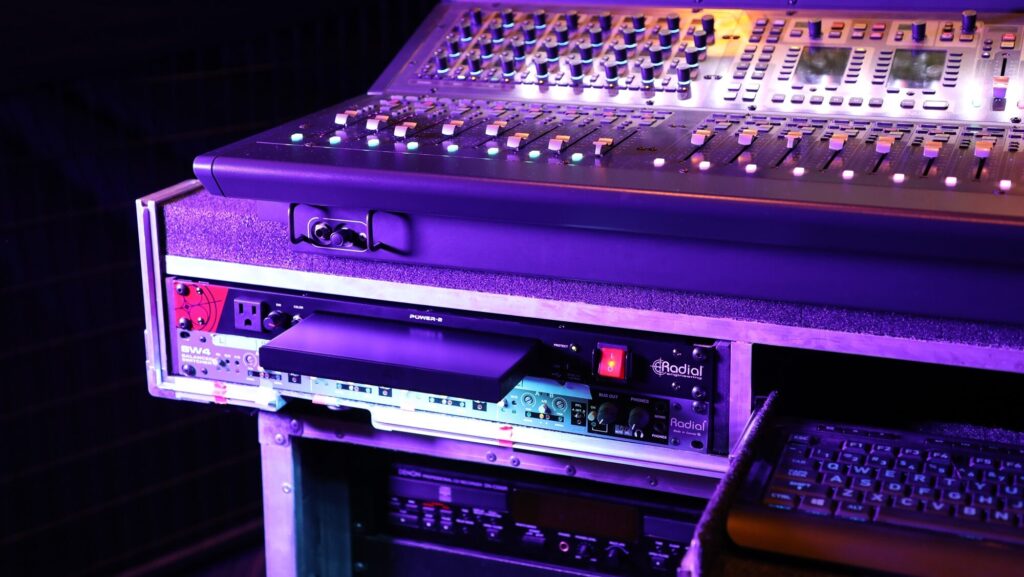
Power-2: Featuring the same rear panel outlet count and configuration, and, on the front panel, one always-on outlet and a USB charging port as well as an innovative slide-out, dimmable, multi-color, LED light tray to ensure you can easily see what’s happening with any gear rack-mounted below it.
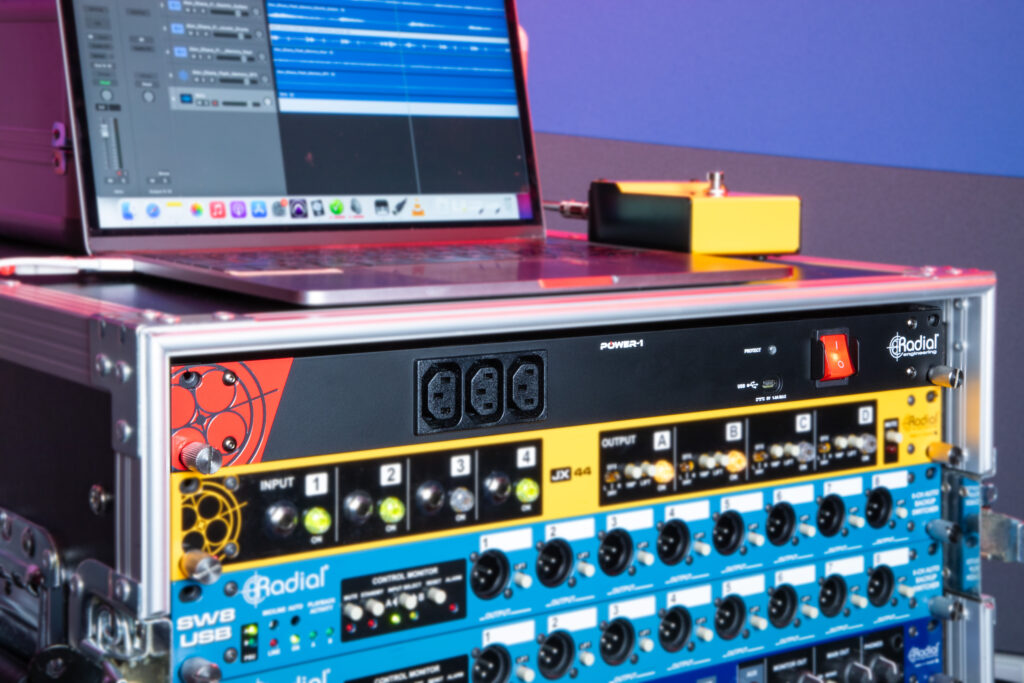
Power-1 (220-240V): Designed for international markets utilizing a power grid at 220, 230, or 240V and 50/60Hz, the unit features 10 rear panel outlets, 4 outlets, and a USB-C charging port upfront, IEC receptacles for connection to AC main power sources, and ships with three cord sets for the UK, Australia, NZ, and Europe.
Naturally, we’d love for you to choose Radial to power your world, but more importantly, we want you to understand that it’s absolutely critical to be aware of the pitfalls and potentially hazards that power problems present. Not only to protect your gear, but to ensure the safety of everyone around you.
From basic power protection to full-featured rack management, Radial’s Power Series keeps your gear safe, stable, and road-ready, wherever the road takes you.