Key Takeaways:
- Front-end control provides consistent, repeatable results
- DIs transmit, but don’t manage signals
- Preamps deliver consistency and control
- Radial takes a system-level approach to preamp design
- Source-specific preamps solve source-specific issues
FOH is Your Sound
Consistency at the source is everything. From show to show, and venue to venue, room characteristics, PAs, and even your engineer, can change – but your sound doesn’t have to. The bottom line is that a signal that’s clean and predictable always translates better than one that’s just louder or more complex. The goal isn’t to give FOH something to fix; it’s to give them something that already works, every night, without fail.
Your signature sound starts at the source – with your instrument and the way you play it – and that’s where a high-quality preamp comes in.
What leaves the stage and hits the PA isn’t just sound; it’s your intent as a player. The greater your ability to shape your tone, balance dynamics, and present a coherent, musical signal to FOH, the more truthfully that will translate, clearly and consistently.
What a DI Does & What it Doesn’t
At this point, you might be thinking, ‘Isn’t that what a DI does?’
The answer is yes, but no.
Think of it this way: A DI sends a snapshot of your sound. A preamp allows you to adjust the contrast, brightness, and other parameters that result in a stunning ‘image.’
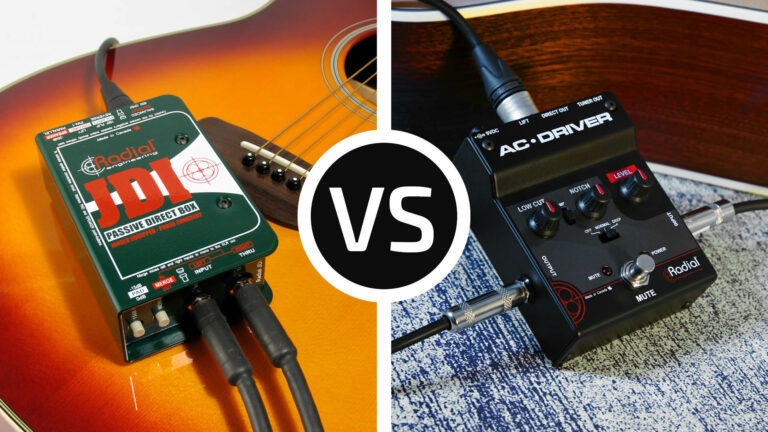
DIs are necessary and useful tools, but their purpose is to convert your unbalanced instrument-level signals to balanced mic-level signals that the console and PA can handle, and to split that signal so you can feed an amp or monitor system at the same time.
What they don’t do is allow you to shape or manage your sound, which means your FOH engineer often needs to compensate for inconsistent gain, a harsh or thin tone, and any external factors that crop up on a night-to-night, venue-to-venue basis.
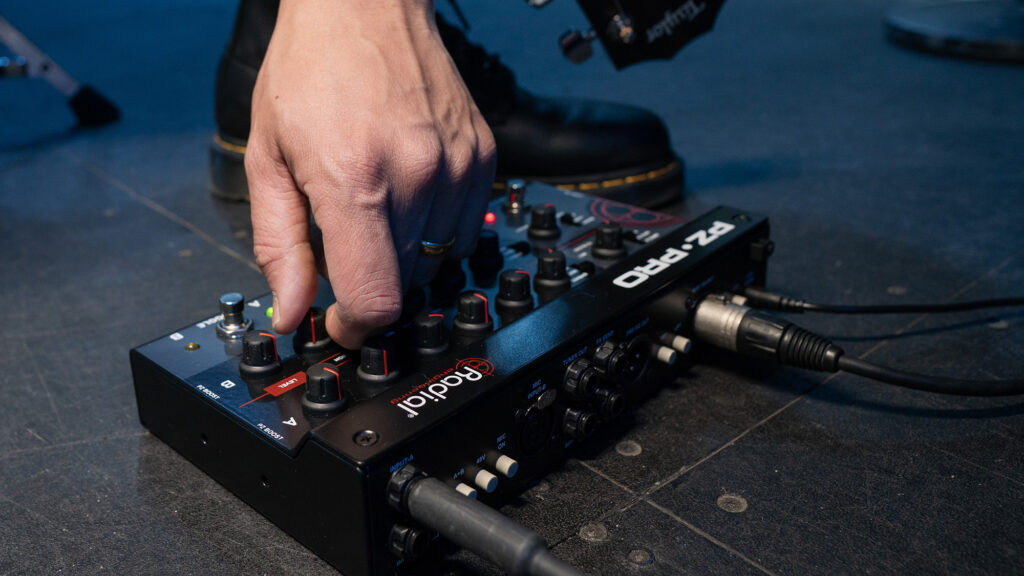
By contrast, a preamp allows you to actively shape your sound before it reaches the console and PA. To manage gain, refine EQ, control dynamics, add warmth or grit, and address problem frequencies in a consistent and repeatable manner. Instead of handing off a raw signal and hoping for the best, you’re delivering something that’s already been dialed in.
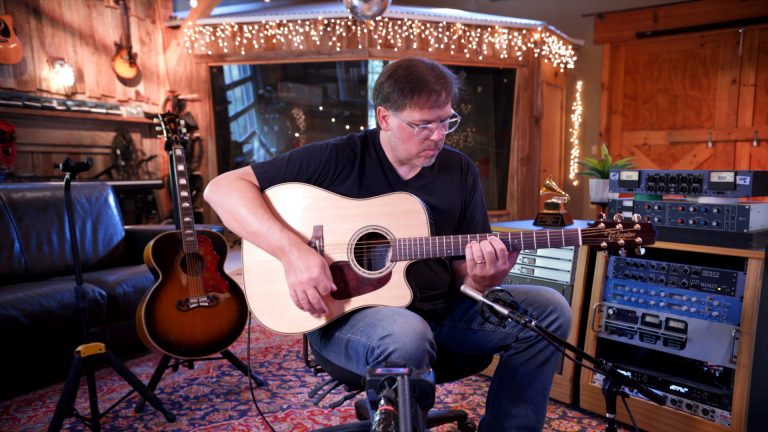
That’s particularly important with acoustic instruments, basses, and any axe equipped with piezo pickups instead of magnetic pickups.
What’s the difference?
Magnetic pickups hear the vibration of strings, not the body of an instrument, which, with an acoustic guitar, for example, makes a huge difference. While magnetic pickups are resistant to feedback and produce a warm, sustained sound for electric guitars and basses, when used on acoustics, they’re less picky – so to speak – in reproducing how your specific axe sounds, and the nuances and ‘feel’ of your playing.
Piezo pickups capture the resonance of your entire instrument, which allows them to produce a more natural tone. However, they can also present challenges, including a harsh tone and/or feedback. To leverage their strengths and address their weaknesses, a source-specific preamp is ideal, allowing you to transmit the life, air, and energy of your instrument and performance more faithfully.
All that said, preamps are equally useful on electric instruments, and on basses in particular, allowing players to add texture and ‘style’ their sound without diminishing low-end focus.
What a Preamp Gives the Player
A preamp ensures your signal is strong enough to overcome noise, but not so hot that it overloads the console, allowing for control over dynamics and gain structure, and helping manage problematic frequencies before they become issues, consistently, night after night.
That doesn’t just improve your sound, it simplifies everyone’s gig: Your FOH engineer has less to deal with; your band hears a more stable mix; and you can focus on performing instead of reacting to any problems the circumstances or setting may present.
So, instead of relying on last-minute fixes that may or may not serve your sound, you’re presenting something intentional, consistent, and True To Your Music.
Control at the Source – No Matter the Input
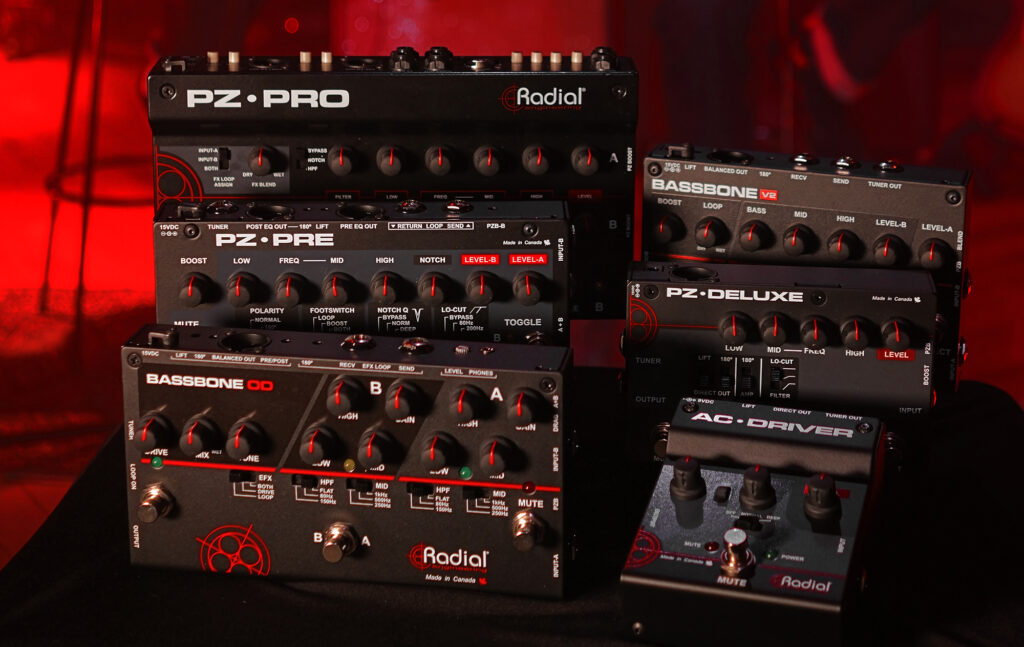
Whatever the source, deploying a preamp designed specifically for your instrument allows you to create a final ‘draft’ of your sound to achieve optimal results at FOH. That’s why Radial takes a system-level approach to designing and creating transparent, predictable, and source-specific preamps.
Which is right for you? Let’s run them down:
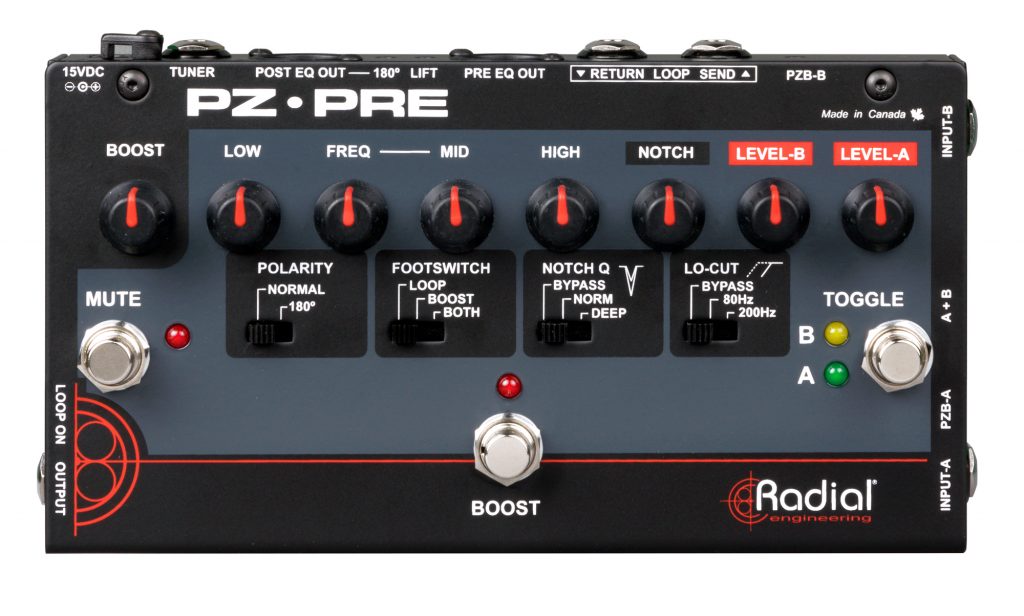
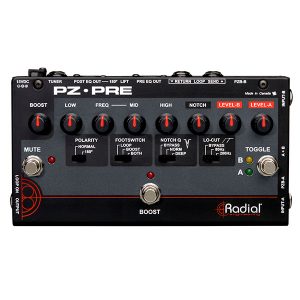
PZ-Pre Acoustic Preamp
Provides EQ and feedback control and a wide range of connectivity options.
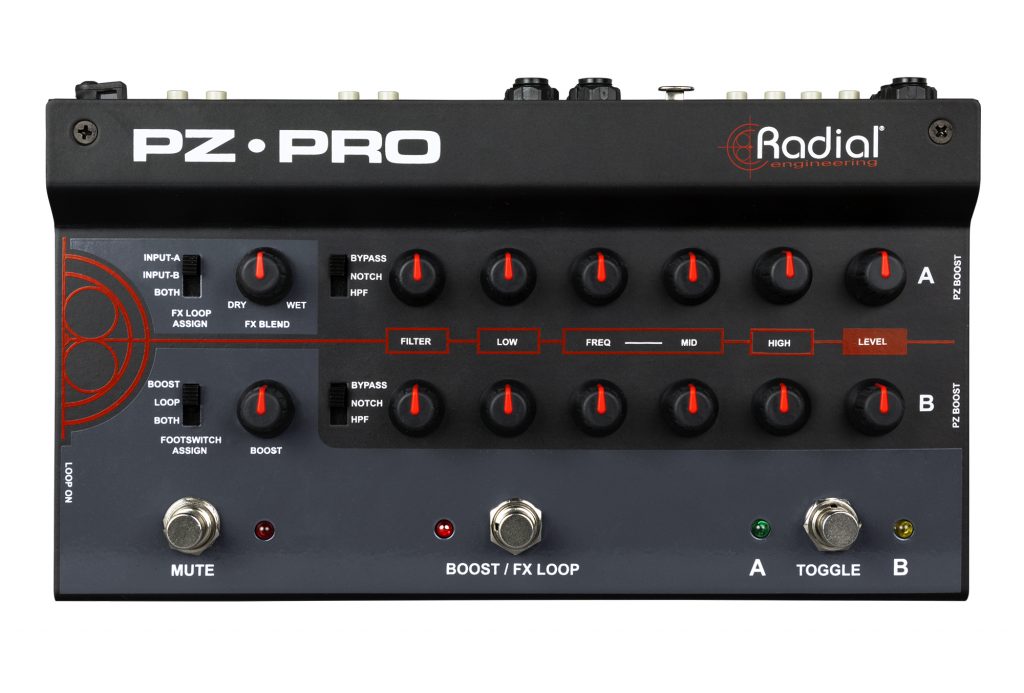
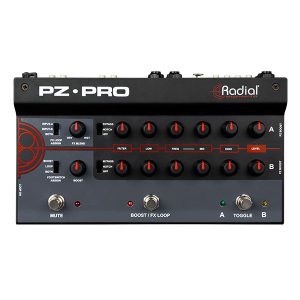
PZ-Pro 2-Channel Acoustic Preamp
An instrument preamp, DI, and switcher, featuring a mic input ideal for use with any microphone, with tone, EQ, and effects management controls for each channel.
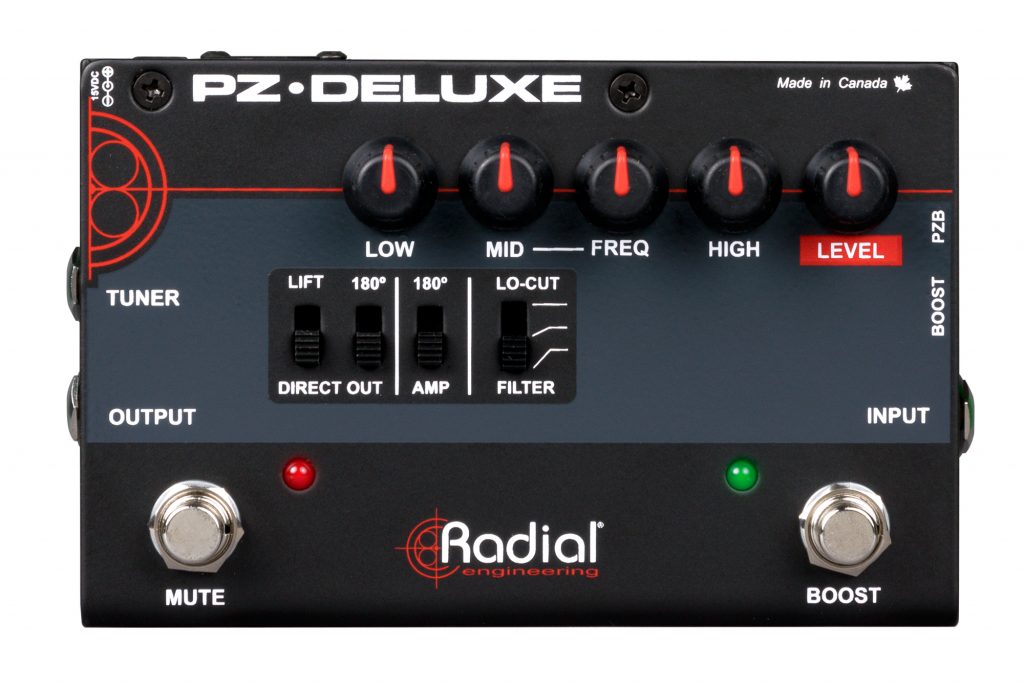
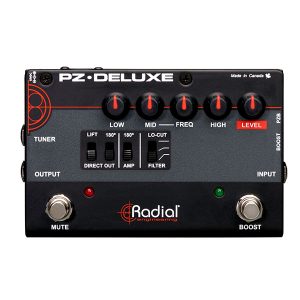
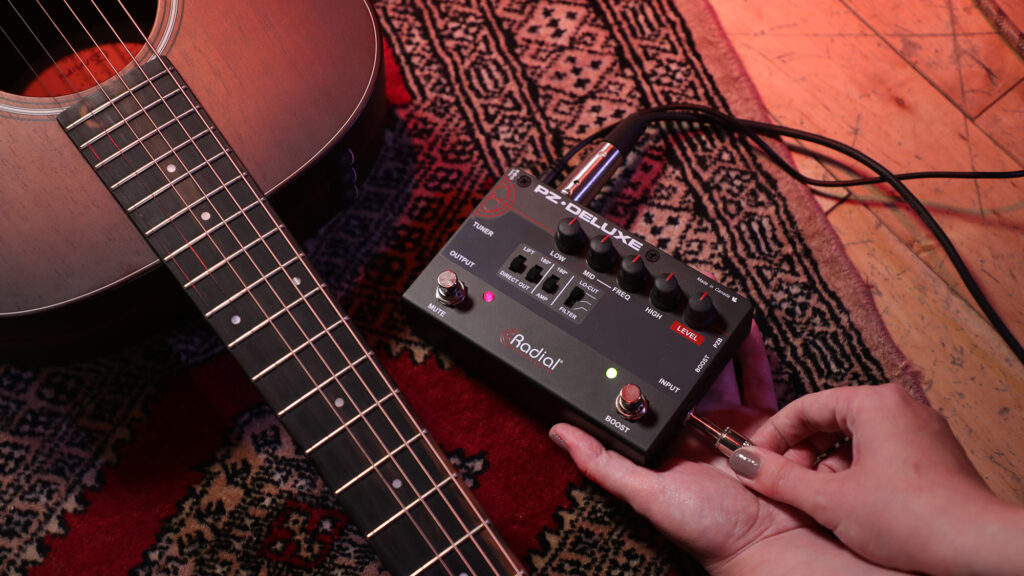
PZ-Deluxe Acoustic Preamp
A studio-quality instrument preamp with tone-shaping control, EQ, and dedicated boost and mute footswitches designed specifically for stage use.
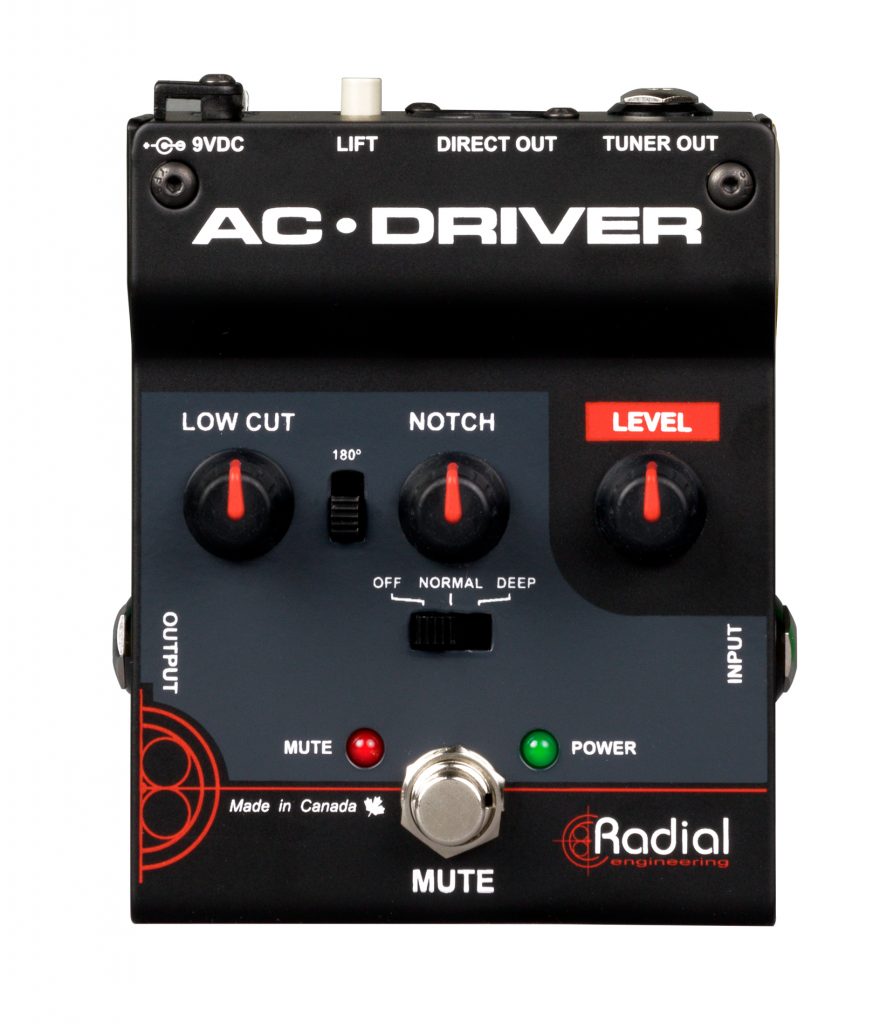
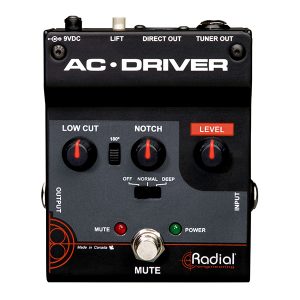
AC-Driver Compact Acoustic Preamp
A high-quality preamp featuring a class-A buffer circuit, balanced DI output to feed FOH, a mute footswitch, Notch Filter, and Phase switch for reducing feedback.
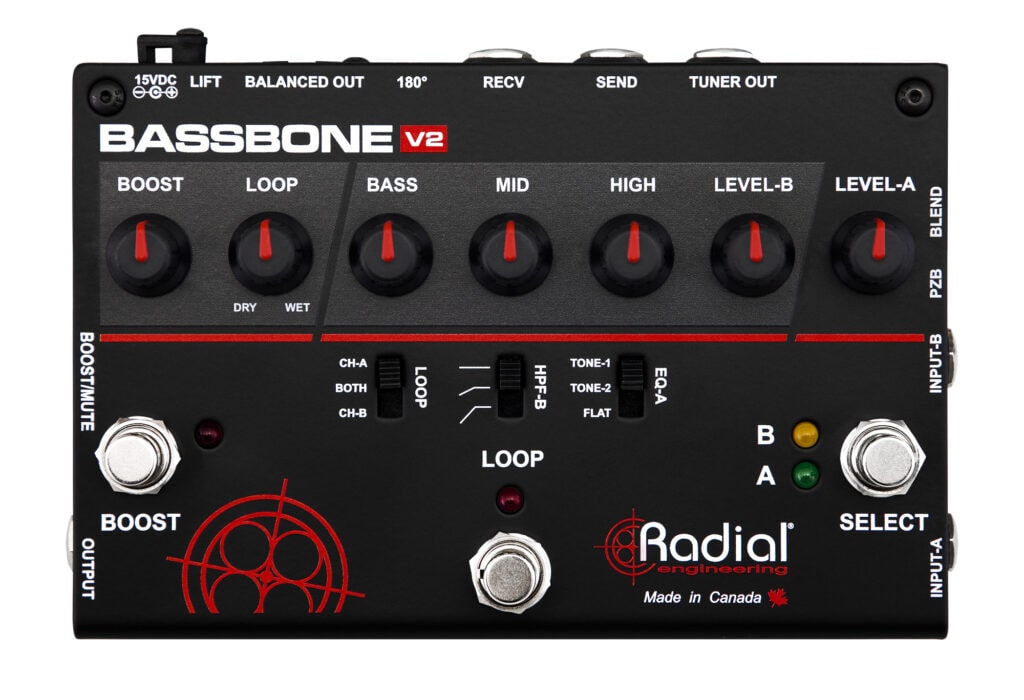
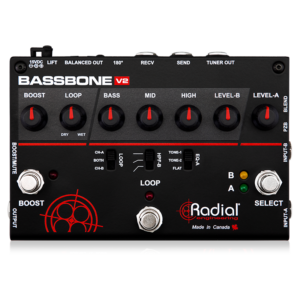
Bassbone V2™ Bass Preamp & Boost
A two-channel bass-specific preamp with a flexible and customizable feature set for a wide range of setups and playing styles.
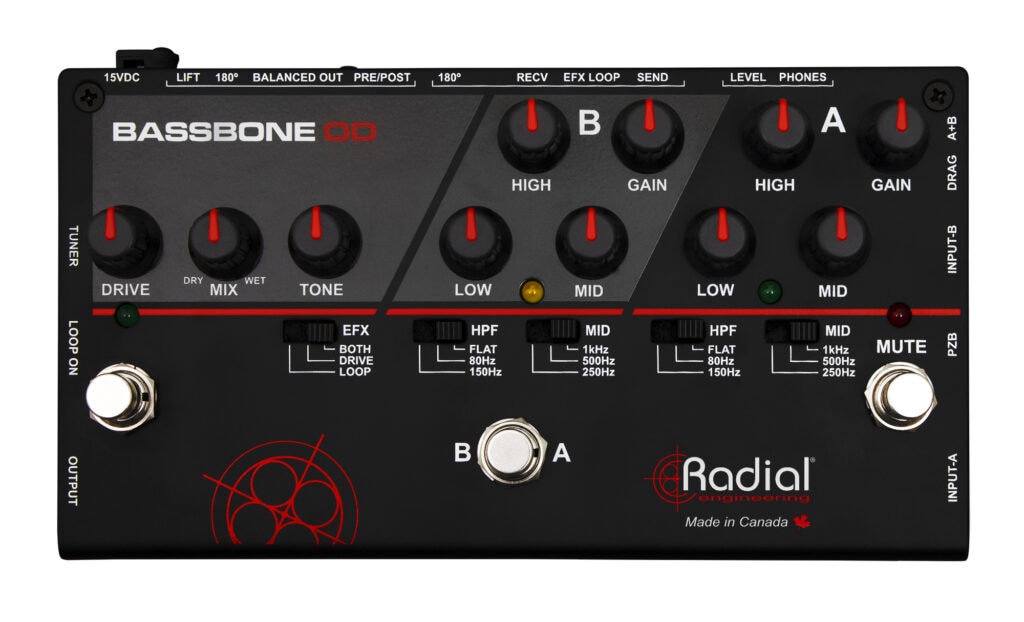
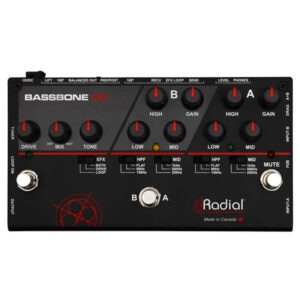
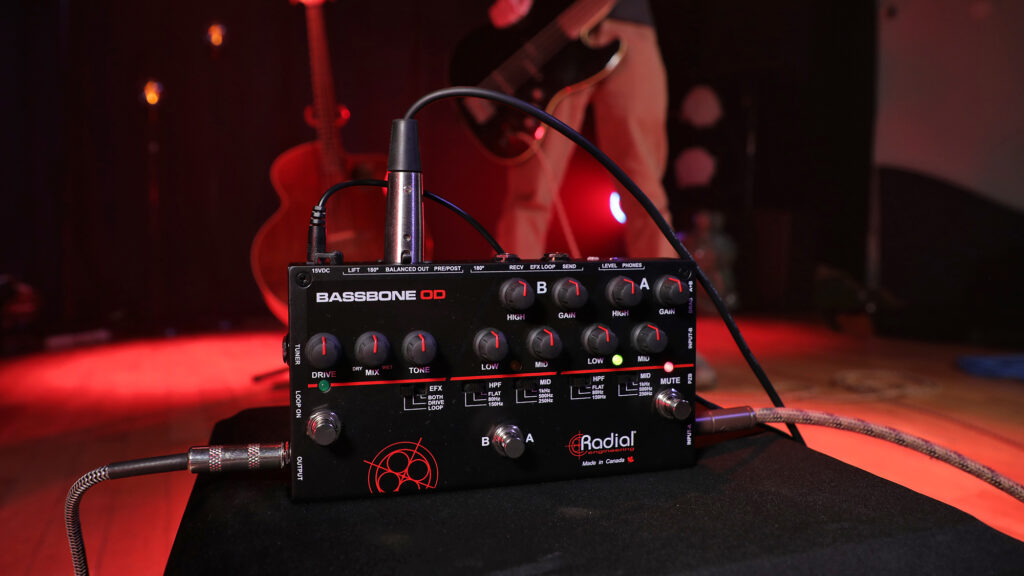
Bassbone OD Bass Preamp & Overdrive
A bass-specific preamp and overdrive pedal featuring two input channels and separate level and EQ controls.
Looking for more?
While preamps are ideal for ensuring your signature sound and true instrument tone are reproduced accurately, without fail, wherever the road takes you, they’re equally valuable for opening up entirely new sonic possibilities wherever you make music. That’s where these devices come into play:
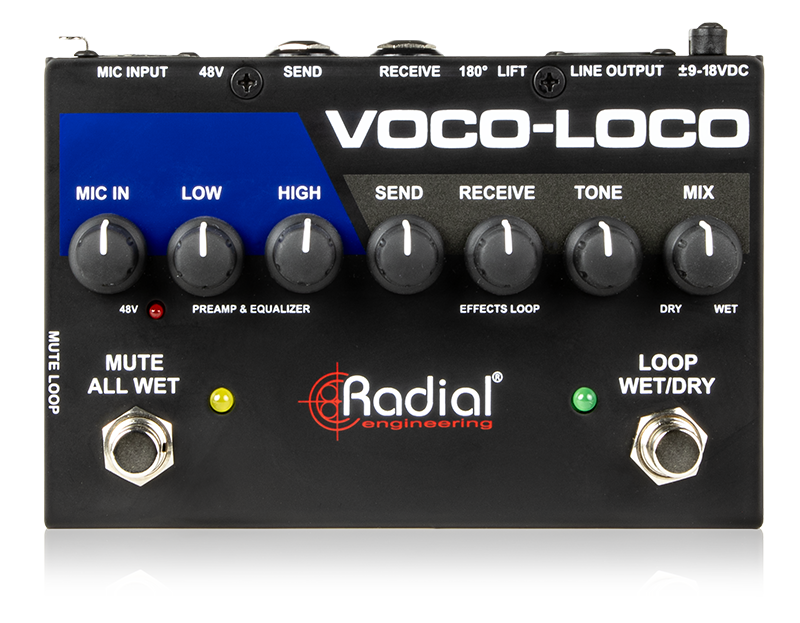
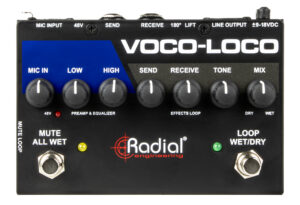
Voco-Loco Mk2 Mic Preamp and Effect Loop
Allows vocalists, brass, wind, and orchestral players to control and easily incorporate effects pedals into their setup.
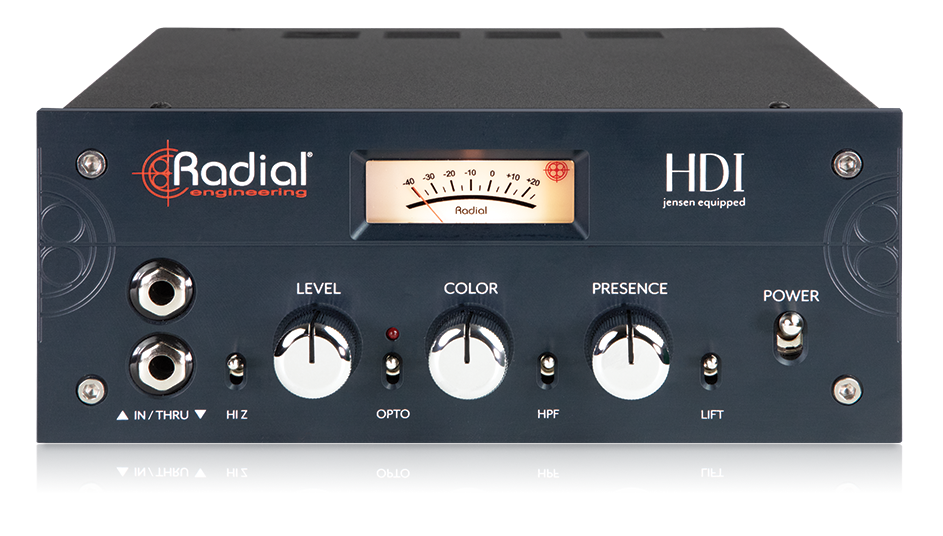
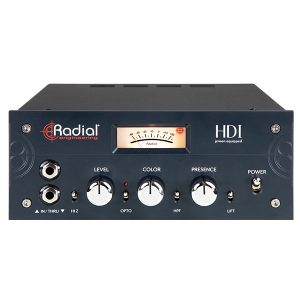
HDI High Definition Studio Preamp
The HDI features premium Jensen Transformers and a powerful feature set, including a unique Color Control allowing you to dial up a record-ready sound in seconds. Although created for studio applications, with its vintage-styled, cutting-edge controls, once you’ve got an HDI, you may not be willing to leave it behind when you hit the road.
Own What Your Audience Hears
The more variables you leave unaddressed, the more your sound becomes dependent on circumstances outside your control. Live, enhancing that level of control ensures the audience hears your true tone exactly as you intended, with all the dynamics and nuance that set you apart as a player.
Every venue is different. Every PA behaves differently. Every engineer works a little differently. When your signal is dialed in before it leaves the stage, those differences matter a lot less.
Whatever instrument you play, a preamp helps ensure you’re prepared for any eventuality, which is far and away more preferable than correcting issues on a case-by-case, venue-to-venue basis at every gig.