Key Takeaways:
- Modern stages demand versatile input solutions
- Multimedia DIs reduce chaos and uncertainty
- Purpose-built DIs outperform adapter chains
- Clean, predictable signal chains boost confidence on and off stage
- Radial multimedia DIs deliver performance and reliability engineers trust
Modern stages aren’t just microphones and instruments anymore. They’re laptops, tablets, phones, playback rigs, video systems, Bluetooth devices – all of which still need to hit the PA cleanly, reliably, and without drama, even with all the last-minute surprises that go with their use.
The more sources you deal with in your mix, the more complex and potentially chaotic the environment. The more dedicated tools you can access – quickly and quietly, the more likely you are to get through any show unscathed.
The Modern Stage Reality
From the standpoint of FOH and Monitor engineers, DIs are the connective tissue that keeps the whole body of sound coming from the band healthy, whole, and hearty. That’s true in straight-up concerts, corporate events, and house of worship applications.
In each setting, you’ve got one stage, with multiple presenters and/or performers, a whole mess of playback, trigger, and effects/digital modeling gear – often used in tandem with video systems. As much as engineers may try to get a grip on what’s coming their way ahead of time, last-minute changes – be they in who’s running the gear, what gear they’re running, and how hot (or not) those sources may be, has always been as much a part of live events as sweaty cheese plates and dubiously warm deli trays.
For engineers, having the right tools to deal with whatever is thrown at them, in any scenario, is key to ensuring that, regardless of who shows up, with ‘Who knows what? Who knows when?’ On any given day, they can make it work.
Why “Just a DI” Isn’t Enough Anymore
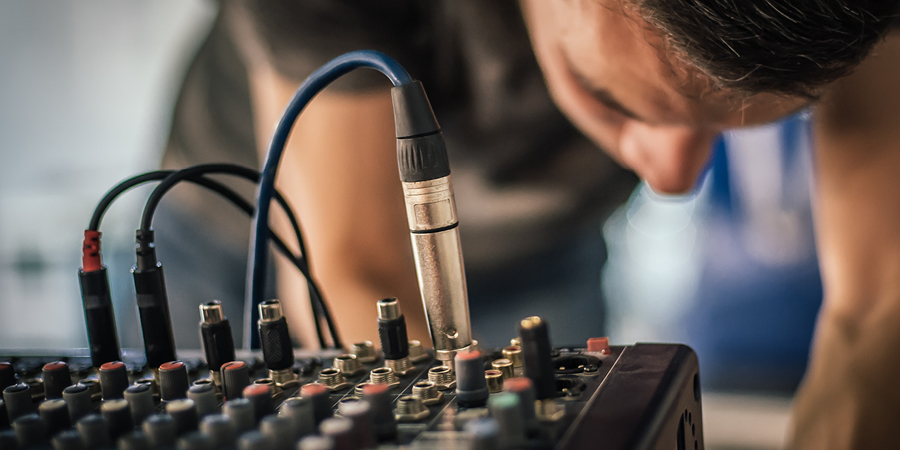
If your plan for getting signal sorted depends heavily on a mess of adapters, you’re forgetting Murphy’s Law and the fact that any chain (signal or otherwise) is only as strong as its weakest link.
The truth is that consumer devices don’t necessarily output balanced, pro-level signals, which makes noise, interference, ground loops, and wildly varying levels more likely to be an issue than not. A little saturation on an analogue source, well, it’s fair to call that warmth – but on a digital signal? Not so much.
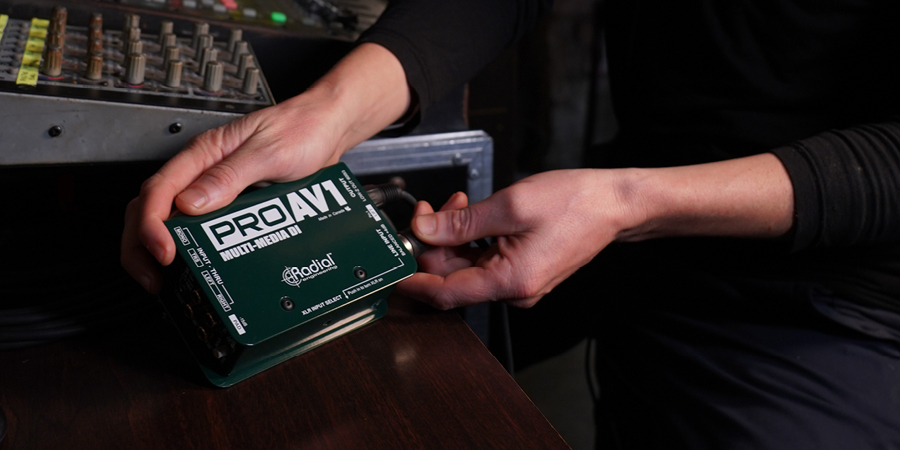
That’s not only why multimedia DIs exist, it’s also why, on sources such as we’re describing, they’re also a better option than a standard DI. Think of it this way: a chain of adapters is like ‘triage’, whereas a purpose-built device with the exact connections and functionality is a full-on cure.
Beyond that, as the expectations for audio engineers grow to encompass more sources, more technology, and often more roles to fill, the quicker the fix, the smoother the gig. Swapping out DIs or tracking down noise may be part of the job, but the less time spent doing so, the more fluid the workflow is for all concerned, and the easier your day will be.
What Makes a Multi-Media DI Essential?
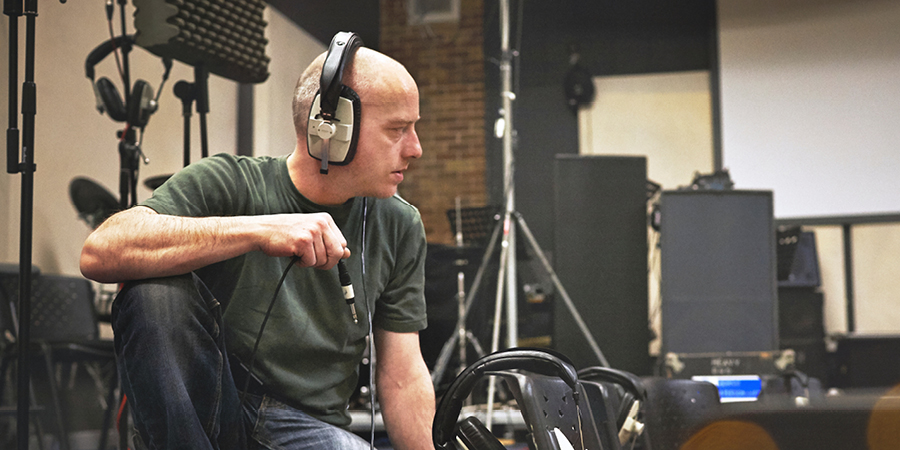
In short, because having all you need on hand from setup to teardown and everywhere in between to deal with whatever sources may show up ensures ideal outcomes across the board:
- Predictable, clean signal every time, from every source.
- The ability to bring up signal levels without bringing up the noise floor.
- Lightning-fast changeovers fueled by having exactly what you need in terms of connectivity and pristine sound, no matter how tricky the source may be.
- More time to mix and less re-patching, troubleshooting, and tearing your hair out before and during shows.
- And, perhaps most importantly, the confidence that you can say ‘Yes, I can work with that’ to virtually any source, any time, with a single, reliable, purpose-built solution.
Every engineer knows that quality counts, and confidence is contagious, making purpose-built tools a much sounder and safer bet than stopgap gadgets that ‘might’ work. Beyond that, no matter who’s peaking over your shoulder, musicians, managers, clients, or crew chiefs, when you pluck a proven, road-ready solution out of your tech case, it looks a lot better on you than fumbling around with a mish-mash of cables and no-name boxes.
Where These Tools Show Up in the Real World?
The answer is everywhere, anywhere, and (given Murphy’s Law) probably when you least expect it.
Once a rarity, laptops, tablets, and smartphones are now as common as the challenges they can potentially present are wide-ranging.
Solo acts, duos, trios – they’re as likely to be running playback ‘down the pub’ as any act of any size is in a full-scale concert hall on a full-scale tour. The same goes for praise bands in intimate worship settings and mega churches alike. Ditto for the sound and fury of meticulously crafted AV presentations, now just as highly valued in a small boardroom as they are in a convention center.
And, although the sources may have changed, (as always) musicians, presenters, even other technicians and engineers – whether they’re pro, amateur, or somewhere in between – they’re just as likely to show up with something you weren’t expecting, fully expecting you to be prepared to deal with it, quickly, quietly, and with consummate professionalism.
Radial’s Multimedia DI Solutions
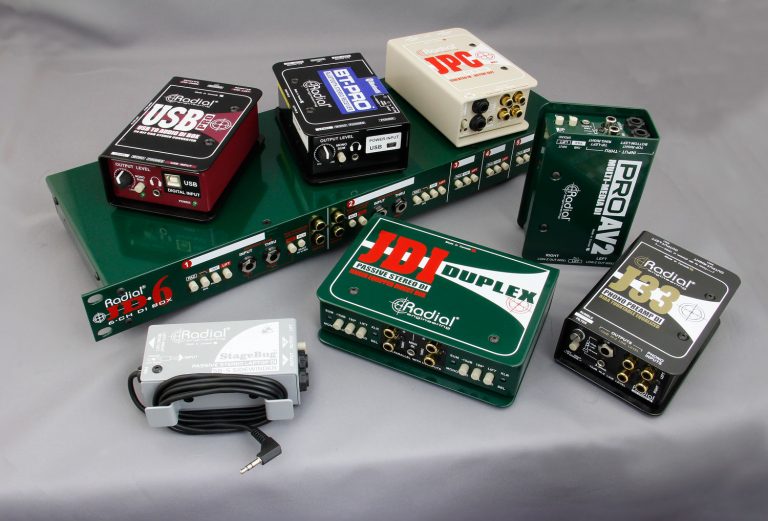
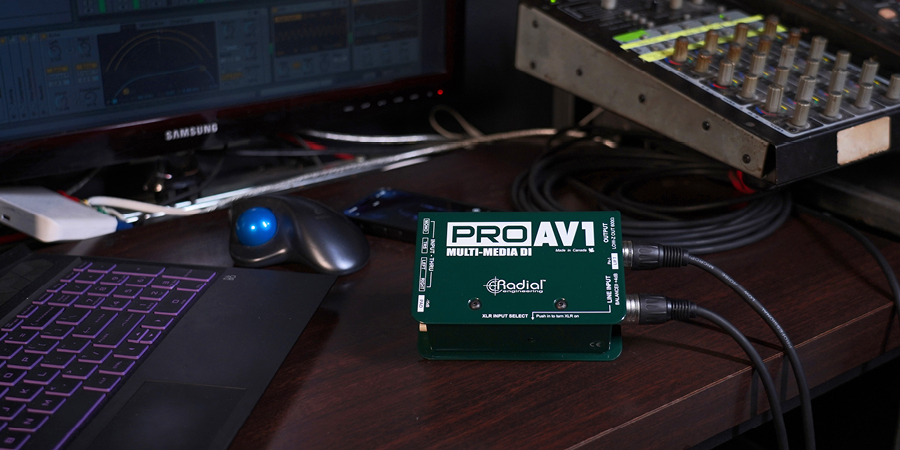
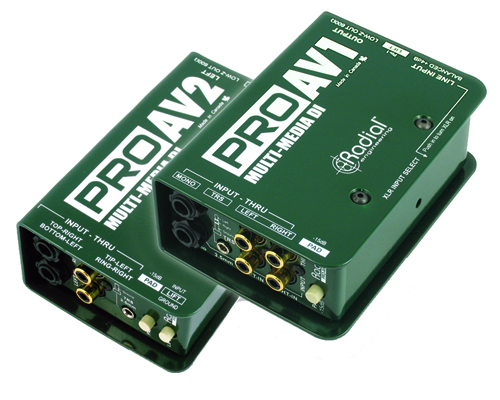
As far as what’s out there to enable you to do so, here’s a rundown of the multimedia DIs we’ve come up with (so far), and a quick look at where, when, and how they help you manage the chaos that one stage with dozens of diverse inputs, outputs, and devices can result in:
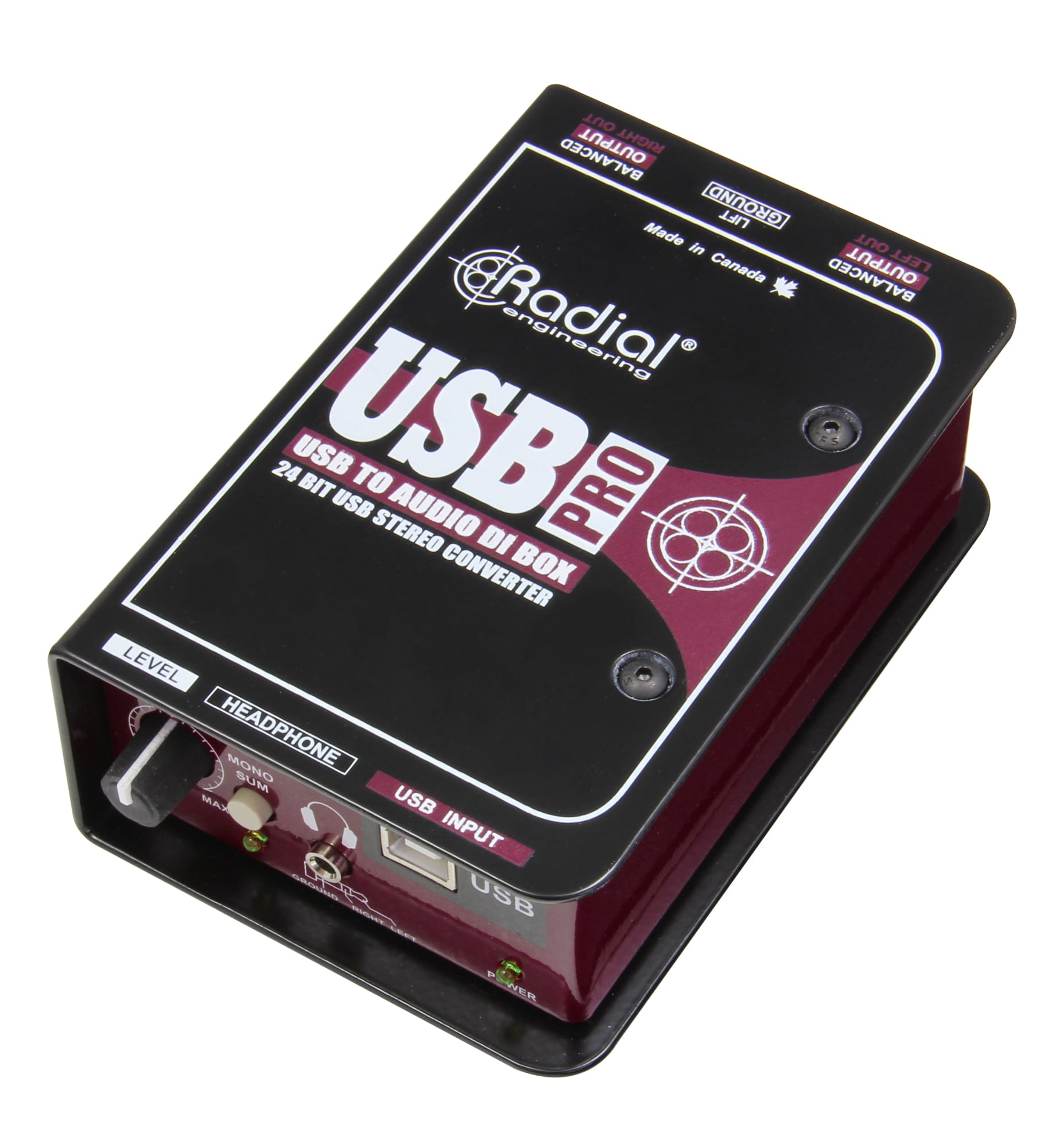
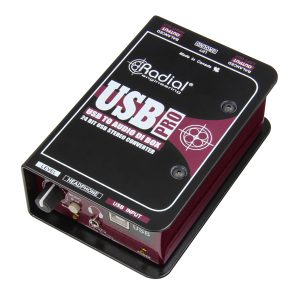
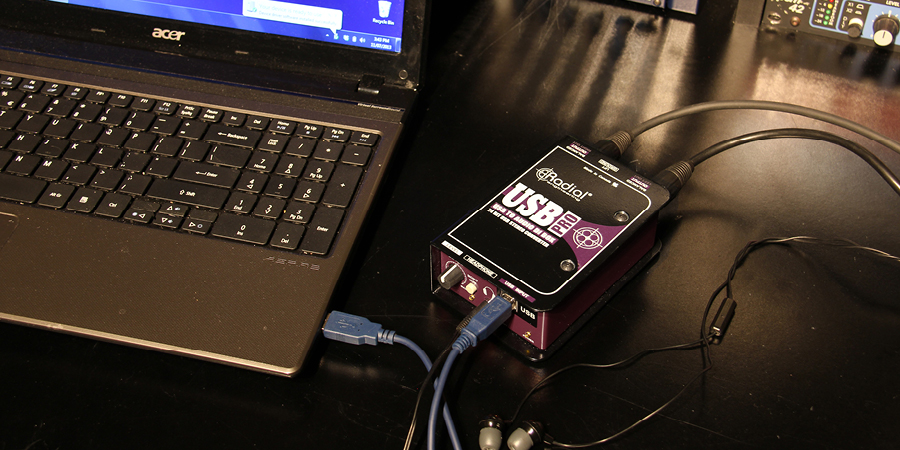
USB-Pro – For clean, reliable, hassle-free transmission of audio, our USB Laptop DI offers high-resolution stereo digital audio conversion and far more seamless and simple connectivity, eliminating concerns about consumer-grade converters and making last-minute driver updates a problem of the past.
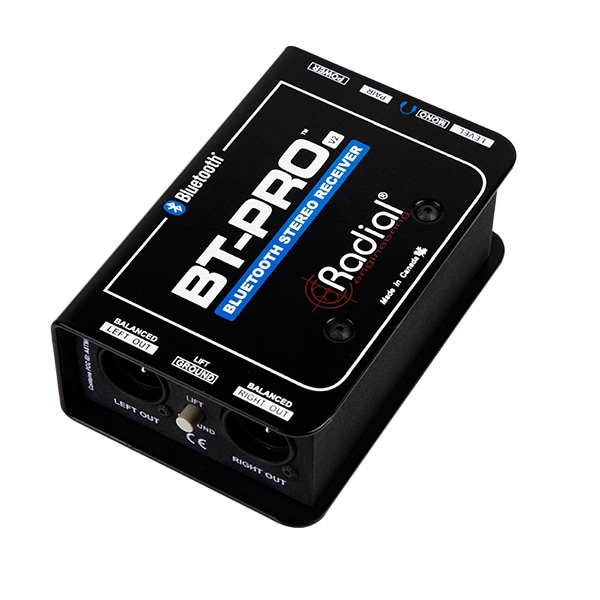
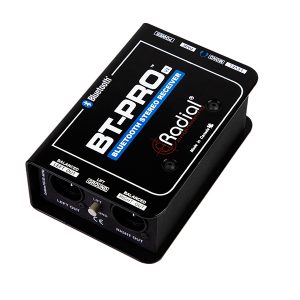
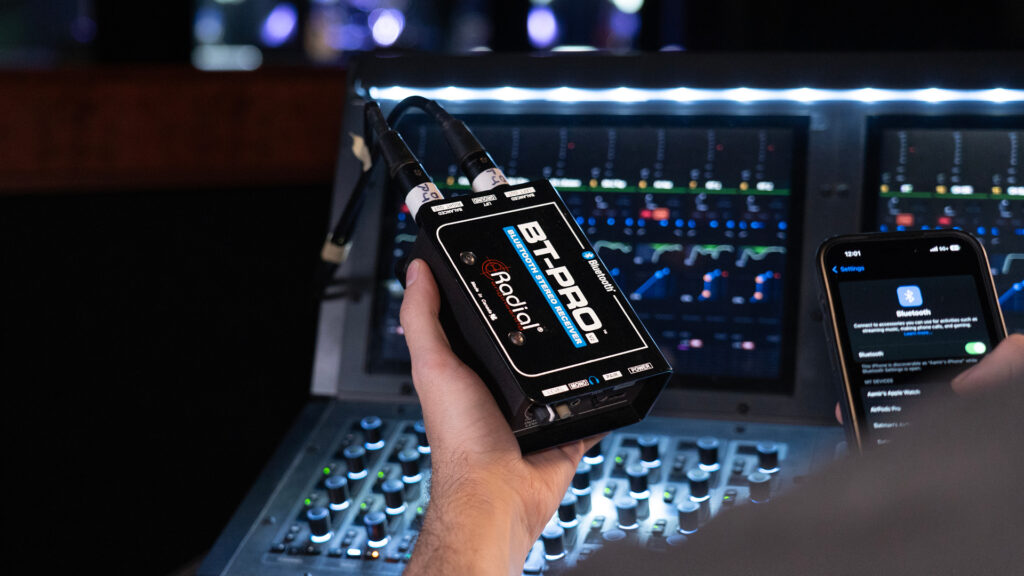
BT-Pro V2 – Offering pristine playback without noise or dropouts, our BT-Pro V2 Bluetooth Direct Box provides worry-free, high-speed wireless transmission and rock-solid reception up to 30m/100ft. And, since each device has a unique identifier, they can be deployed in multiples as necessary in the same space, simultaneously.
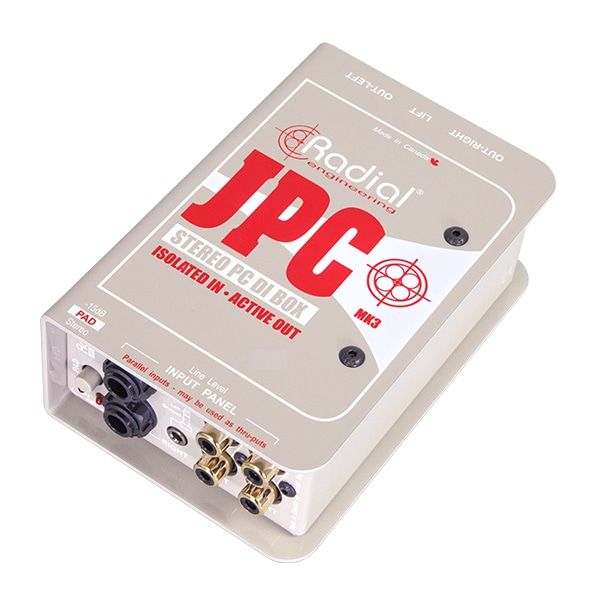
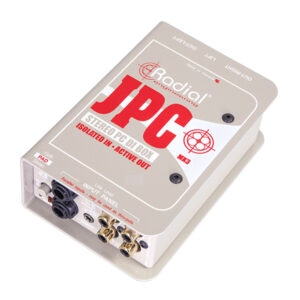
JPC – With a combination of active buffers and transformer isolation, the JPC Computer Direct Box creates an effective ‘hybrid’ circuit that kills the buzz and hum so common when connecting computers to audio systems for pristine stereo playback.
The Bigger Takeaway
Expectations for sound quality have risen substantially, across the board: engineers and musicians expect more from their gear; audiences, clients, talent buyers, and listeners in general expect more from engineers and musicians – and venues themselves – because consumer audio seems to make sound capture and transmission easy, cheap, and far more high-def than it once was.
That perception means that expectations are amplified further, while, correspondingly, any weak point in a signal chain, hesitation, or inability to fix it fast and fluently, amplifies dissatisfaction with the outcome. Fair or not – that’s the reality.
Multi-media DIs aren’t about adding complexity, they’re about removing friction – between the stage and the mixer, between clients, promoters, the act itself and the audience, and between the desire to do a good job and the ability to do it.
In other words, when inputs behave, everyone can focus on what they’re there to do, and not what’s standing between them and doing it: musicians on performance, engineers on the mix, and everybody else on having a good time.
Looking for more information? Check out these blog posts and full product details for all our multimedia DIs at radialeng.com: