Key Takeaways
- Stereo Guitar rigs are becoming more common
- Running stereo can increase complexity, noise, and interference
- Noise-free stereo rigs require proper infrastructure
- Dedicated stereo tools streamline connectivity and reduce noise
- Consistency and reliability = peace of mind and more fluid performances
Why Stereo Is Everywhere Now?
Increasingly, guitarists are leveraging stereo setups on stage: a result of the increased availability of high‑quality stereo pedals and amp modelers, the ease of creating and manipulating stereo effects in your DAW of choice in the studio, and, naturally, the desire to utilize classic stereo analogue effects pedals.
How they’re used varies, depending on individual preferences and setups, whether it’s a traditional mic’d-up dual amp or wet/dry rigs, a pedalboard/modeler being sent straight to FOH, or any combination thereof.
Running stereo live, however, can introduce complexity – physically in your setup, and in terms of signal flow, management, and integrity.
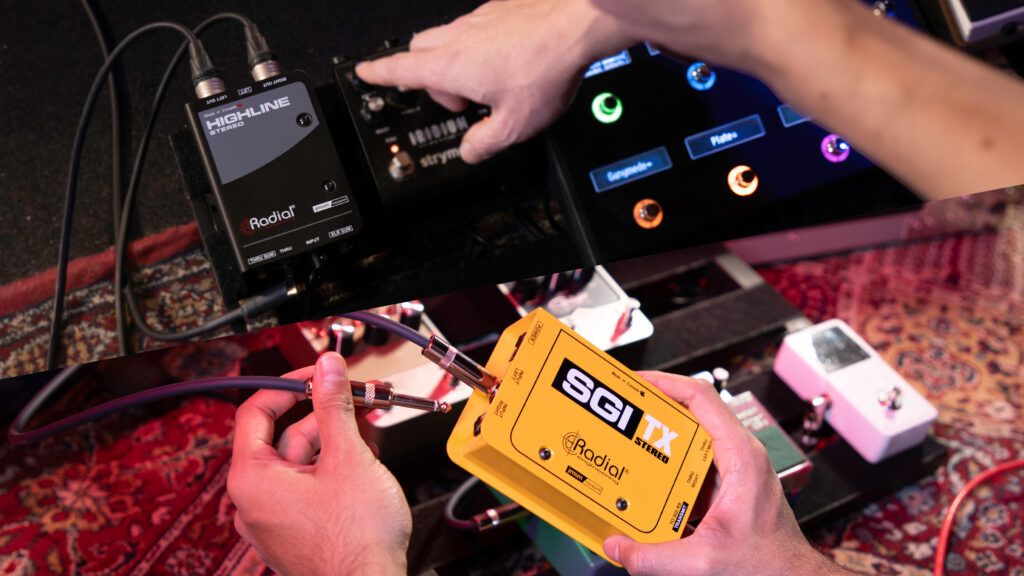
Here, we’ll look at those challenges and how Radial’s SGI Stereo and Highline Stereo can help surmount them.
The Real Challenges of Running Stereo Live
With any setup, mono or stereo, the more complex it is, the more points of potential failure and opportunities for noise and interference to impact your signal there are.
Additionally, while many modelers and effects pedals provide stereo outs, they may not necessarily be sending the type of signal the next device in the chain expects.
Great-sounding stereo rigs aren’t just important for you and your audience; they’re also important to your bandmates because the better your sound, the more your monitor engineer can tailor your sound in their mixes to their needs.
On modern stages, the virtually ubiquitous use of IEMs, desire for a ‘clean’ stage and ‘low to no’ stage volume, has led to an increase in remote amp placement, leading to long cable runs that result in a loss of tone and increase the potential for noise, ground loops, and interference.
Your setup may sound great in one setting, but venue-to-venue issues can range from variations in the quality and sound of the mics and DIs on site, through to power issues, and the way the room sounds. Even if you’re using the same mic from your mic pack daily, it can get damaged between gigs.
Ultimately, the more control you have over your sound and the more reliable your signal path and the devices within it, the more likely you’ll hear what you want (as will your audience). Especially in situations where you’re depending on a house engineer who may not know your music and preferences terribly well.
At Radial, we offer a wealth of tools for running stereo guitar rigs – cleanly and professionally for traditional dual-amp setups, modern amp-sim/silent-stage scenarios, and everything in between.
The Trews & Radial: Guitarist John-Angus MacDonald and FOH Engineer Josh MacIntosh Add SGI Stereo for The Trews’ 2026 Tour:
Josh: “Before, we had 60’ of unbalanced 1/4” cable running back and forth from our guitar wireless to the pedalboard, and back out to the amps, which introduced problems. Now, going over Cat5 with the SGI Stereo, we’ve dropped the noise floor, we have a more stable connection, and the L/R isolated outputs help keep us from getting cross-talk between heads. It’s a huge improvement for John-Angus’ entire rig.”
John-Angus: “Even if noise is subtle, it’s a problem. Since Josh revamped my pedalboard for the last tour, this is the quietest it’s ever been, but we’re still getting the full breadth of tone out of the amps. The SGI Stereo is a big part of that. I’d say it’s cleaned things up in a big way.”
For a deeper dive into The Trews and MacIntosh’s use of Radial on the road (including a pair of our ProRMP Reamp® units), check out our full interview coming soon!
What a Pro Stereo Rig Looks Like
So, how do the pros actually make this work night after night?
To some extent, that depends on the rig: Are you running dual amps left/right, a wet/dry, wet/dry/wet, or some other permutation, a stereo pedalboard into two amps, utilizing stereo pedal and stereo amps on stage, but running your modeler into powered cabinets directly to monitors and FOH?
Whatever your setup consists of, a pro rig is streamlined, clean physically and sonically, and designed to keep interference and noise out while maintaining your tone regardless of the challenges you face on any given stage.
When it comes to what a setup looks like, the options are as wide and varied as the players using them. Consequently, having the proper infrastructure to ensure clean, consistent results is key. Which is exactly what our SGI Stereo and Highline Stereo were designed to provide.
SGI Stereo Instrument Line Driver – For Traditional Dual-Amp & Backstage Rigs
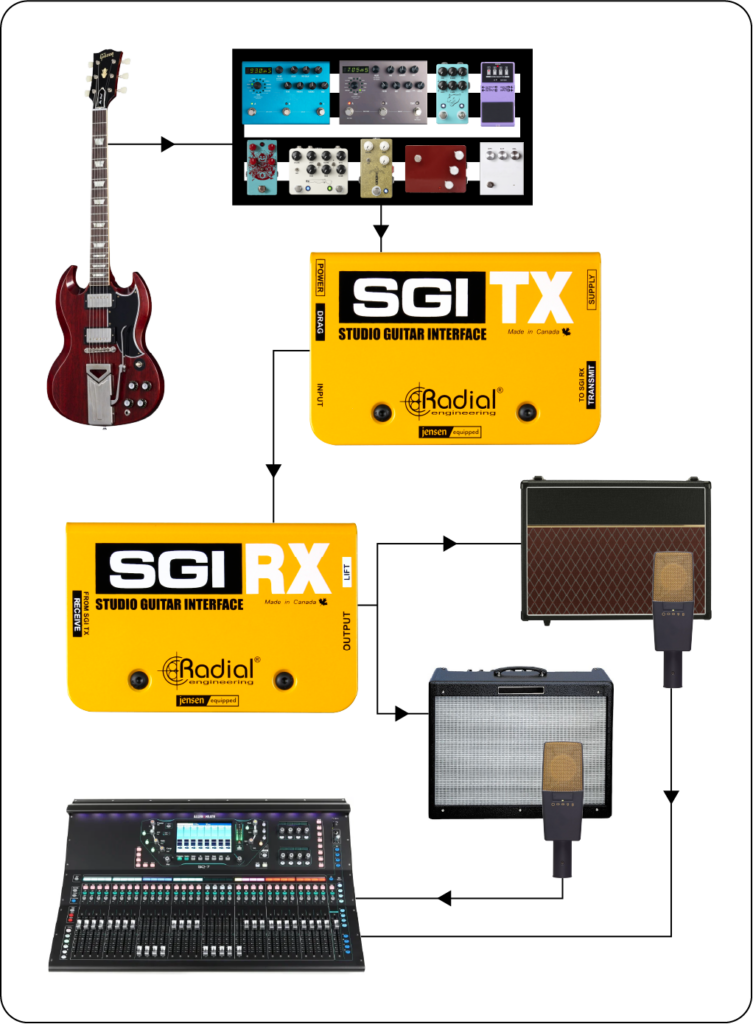
For traditional amp setups and/or remote rigs, wherever and whenever long cable runs are required, the SGI Stereo preserves signal integrity, your true tone and feel, while eliminating noise and interference, and acts as the invisible backbone for touring stereo rigs.
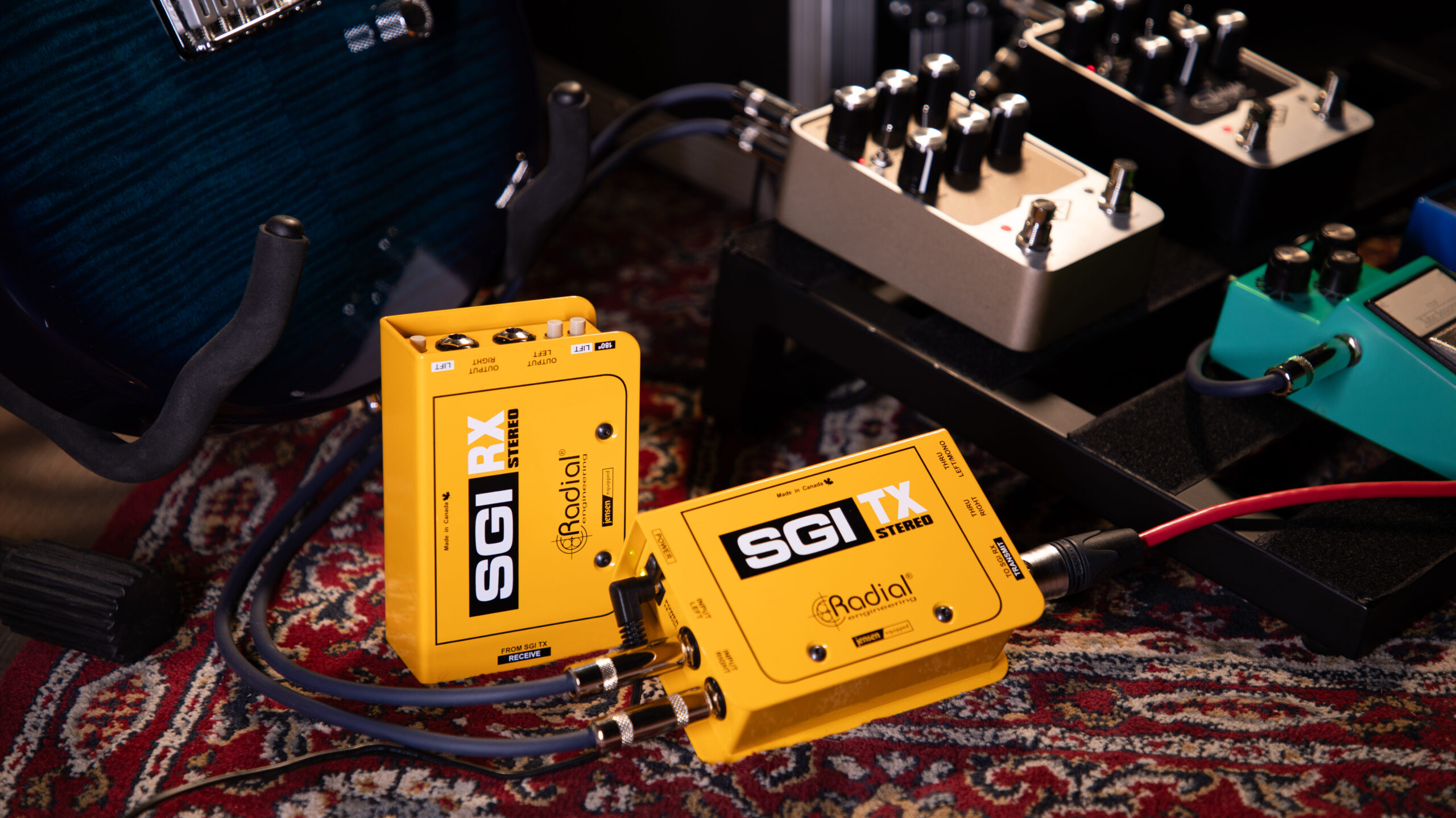
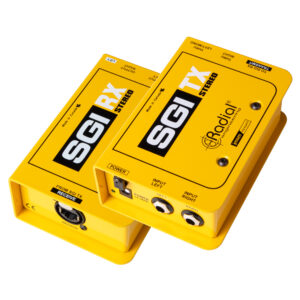
A line extension to our SGI high-performance stereo line driver systems, the SGI Stereo converts unbalanced signals to balanced signals and consists of a TX (transmitter) and RX (receiver), and features premium Jensen Transformers at both ends, allowing guitarists and bassists to run stereo signals over a single Cat5 cable. Preserving your tone, simplifying routing, and reducing noise and interference.
Pro Tip: The SGI Stereo’s TX unit is equipped with Left/Right ¼” Thru outputs, allowing players to send unbalanced signals directly to amps or a DI, instead of the RX unit, without having to rewire. Additionally, if a connection is made to the Left Thru jack but not the Right Thru, both the left and right channels will be summed together on the Left Thru output, allowing you to pare down your rig (by leaving that extra amp at home and still run stereo to FOH, for example) or deal with situations where console real estate is an issue.
Highline Stereo – For Amp Sims & Modern Silent Stages
Your rig may live entirely in the digital world, but streamlining it with the right infrastructure still matters.
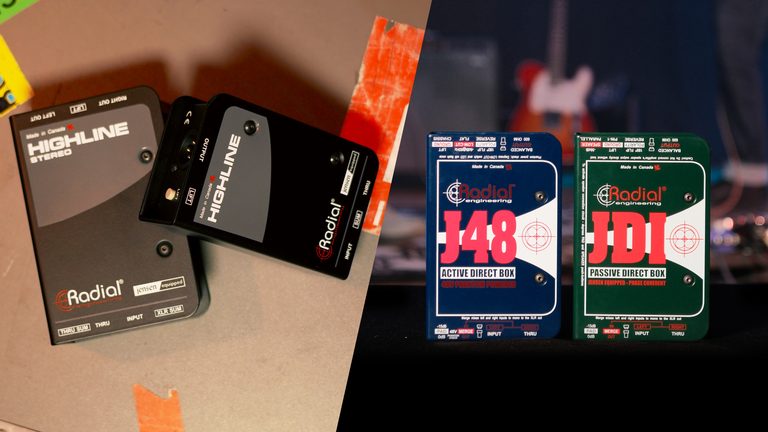
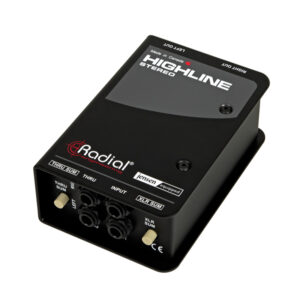
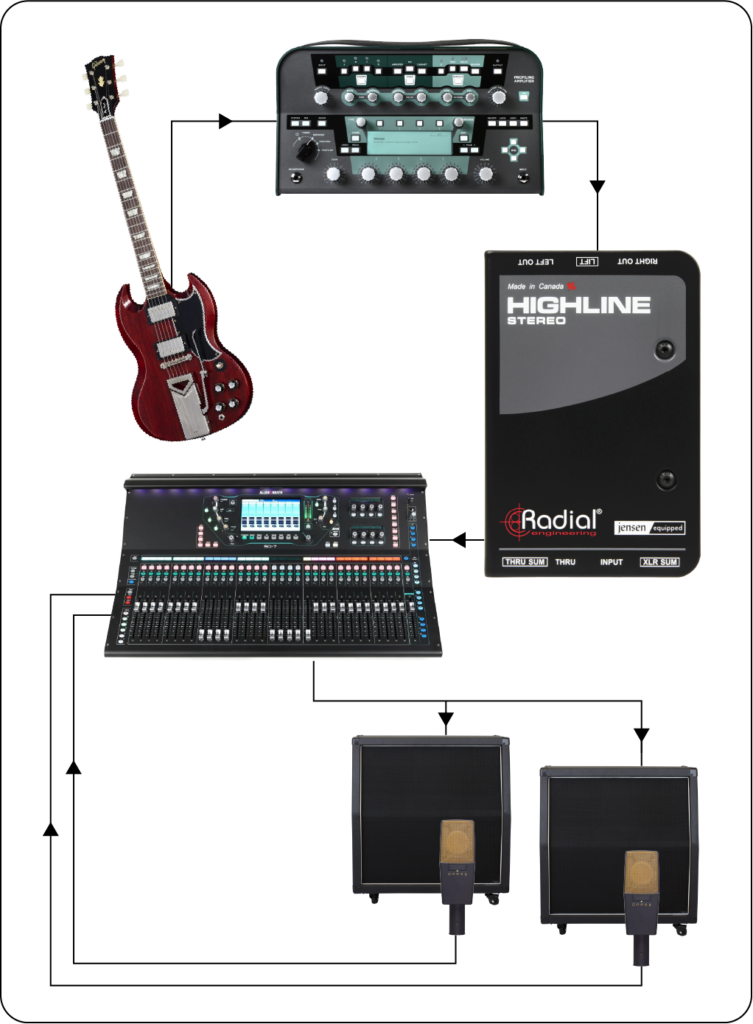
For players using stereo amp simulators and modelers to run directly from their pedalboard to FOH, the Highline Stereo passive line isolator is ideal. Optimized for amp sim outputs and designed specifically for connecting guitar/amp modelers directly to consoles, the Highline Stereo takes line-level signals out of your pedalboard/simulator to wherever you need them to go, with no need for an additional DI. It also features premium Jensen transformers, providing isolation for reducing noise over lengthy cable runs and protecting your sensitive gear from any damage that phantom power may cause.
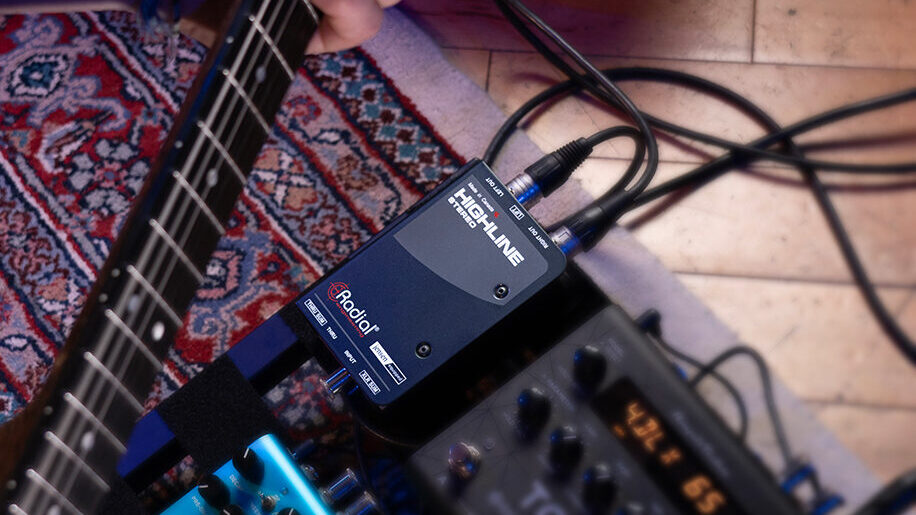
Essentially, it’s a ‘what it gets is what it sends’ solution, making it perfect for use with Full‑Range, Flat‑Response (FRFR) speakers, which, by design, reproduce exactly what you send them. Meaning the sound you’ve created and the stereo image of your digital device are reproduced faithfully, noise-free.
Pro Tip: Using the THRU sum function on the Highline Stereo, as with the SGI Stereo, can run stereo to front of house, but let you cut down to one amp on stage if desired, deal with situations where running stereo isn’t possible owing to console real estate, without having to rewire or reconfigure your pedalboard to do so. The Highline Stereo is also compatible with TrainTrack.
Supporting Stereo Tools from Radial
Looking for more stereo tools to streamline your rig, enhance connectivity, ensure consistency, or switch things up, cleanly and easily? Check out some of Radial’s other stereo devices that help bridge the gap between stage and FOH:
Dual Amp Switching & Isolation
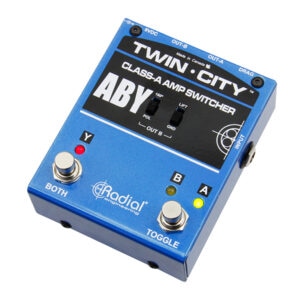
Twin-City Active ABY Amp Switcher: connect two guitar amps, switch between them, drive them simultaneously noise-free, without any loss of gain or signal degradation.
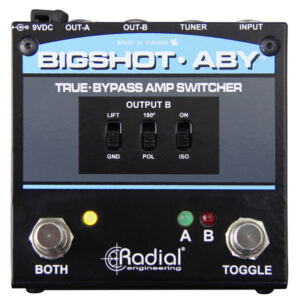
BigShot ABY™ True-Bypass Amp Switcher: a compact solution for switching between two amplifiers or playing through both while eliminating buzz and hum from ground loops.
Stereo DI & FOH Integration
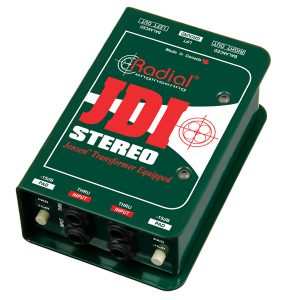
JDI Stereo, The World’s Finest Stereo Direct Box: features premium Jensen transformers and is a professionally proven, go-to high-performance 2-channel passive DI for any live setting.
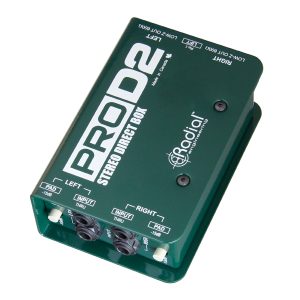
ProD2 Stereo Passive Direct Box: a 2-channel, passive DI purpose-built and designed to connect stereo keyboards or other high-output instruments to the PA noise- and distortion-free.
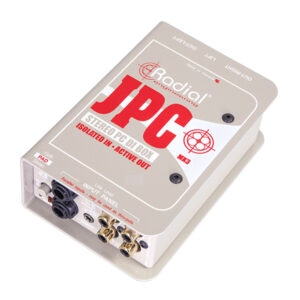
JPC Active Direct Box for Laptop Computers: an analog stereo interface for solving noise issues when connecting a laptop or consumer playback device to an audio system.
Example: A Touring-Ready Stereo Signal Chain
Whether you’re going with a traditional dual-amp setup or straight out to FOH and/or powered cabs, our stereo solutions help you maintain pristine sound from your setup to your audience’s ears without compromise. Here are a couple of examples:
Traditional Amp Rig
Modern Modeler Rig
Pro Tip: Radial’s TrainTrack and TrainTrack Plus solid metal mounting brackets are designed for mounting our P-Class and J-Class devices (Including the SGI Stereo and Highline Stereo) to the underside of a pedalboard for a more secure, streamlined setup.
Stereo Without Compromise
While stereo rigs offer creative options and impact live, getting what you want out of them, without noise, interference, or unnecessary complexity getting in the way, requires infrastructure that protects your tone, and provides rock-solid reliability and consistency to ensure you can stay True To Your Music, night after night, without fail.
Want to know more? Browse our product pages to discover more True To Your Music, stage-ready solutions from Radial.