(Still) Going pro one gig at a time: The Difference Between Beginner and Professional Setups
When you start building a stage setup for the first time, whatever your instrument, remember you’re building something that will constantly evolve. You’ll add and subtract gear as you discover how you want to sound, how best to translate that, and, obviously, what gear is available (and affordable) for you.
Creating a ‘pro’ stage and/or studio setup never stops, even for pros: technology changes, your needs change, the gig(s) you take on call for different types of setups. It’s a constant process defined by intentional decisions about sound, workflow, reliability, redundancy, and, naturally, individual taste.
How professional workflows begin and evolve
When you’re getting your stage/studio legs under you, you want to focus on your performance, not on teching, troubleshooting, or just navigating a pile of gear to get the job done.
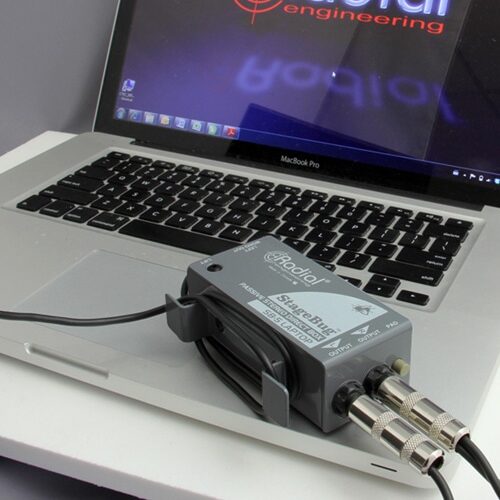
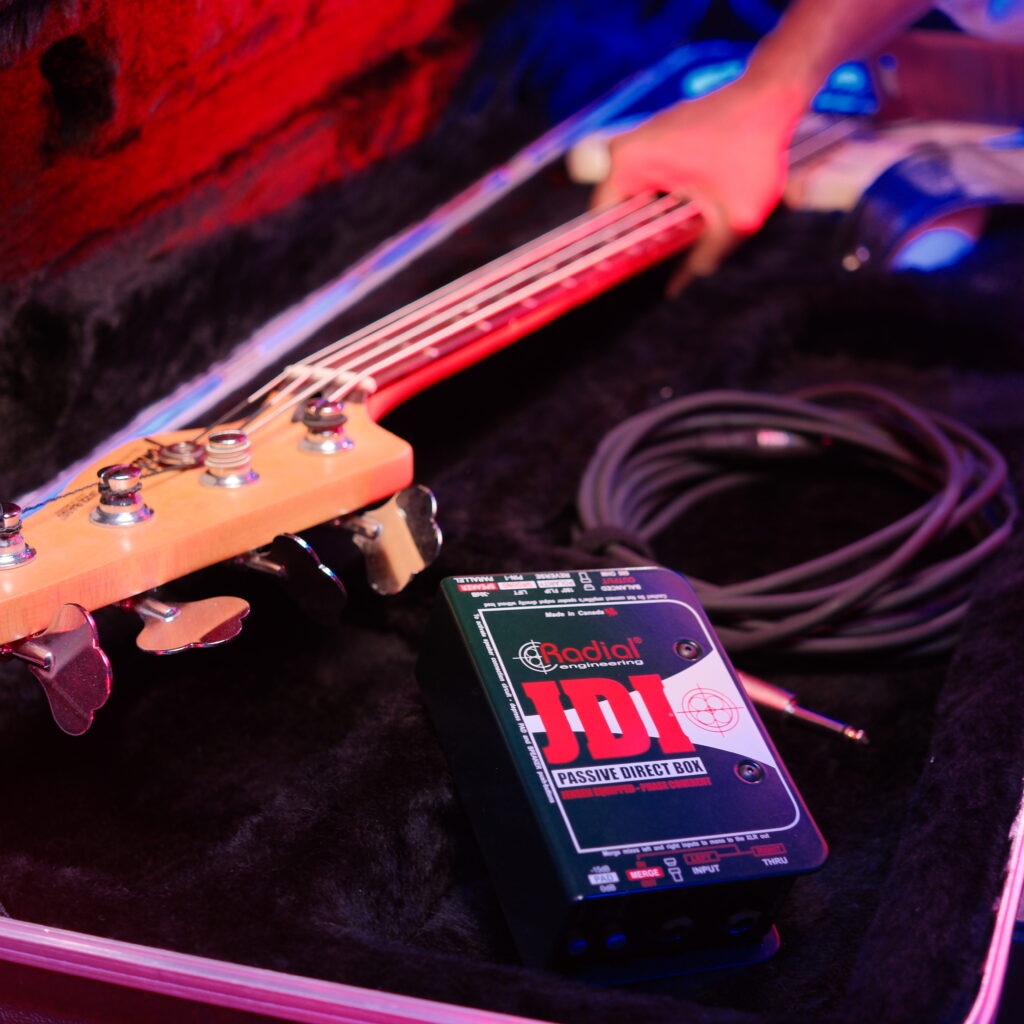
The more straightforward your setup, the fewer potential points of failure, the easier it is to troubleshoot.
Ask yourself:
- What’s the best way to reproduce the sound of my instrument/instruments?
- How much control do I want and/or need over what hits the PA?
- Where in my signal chain can I eliminate potential failure points?
All of this will vary from player to player, instrument to instrument, gig to gig, and, frankly, whether you’re a principal player or a hired gun. But some considerations are universal.
Making sound signal flow & sound transmission choices
Even if you’re rocking up to the gig with your horn, one guitar, or a bandolier of blues harps, the care and feeding of your instrument – long term and for the job at hand – is critical. Being prepared for anything that might go wrong, require adjustment, repair, or replacement is job #1.
That begins with the case(s) you transport your instrument in and how safe, secure, and road-ready your bits are mounted. And it’s a consideration that carries through the whole rig; from cables to devices that ensure what hits the PA or DAW sounds exactly as you intend it to.
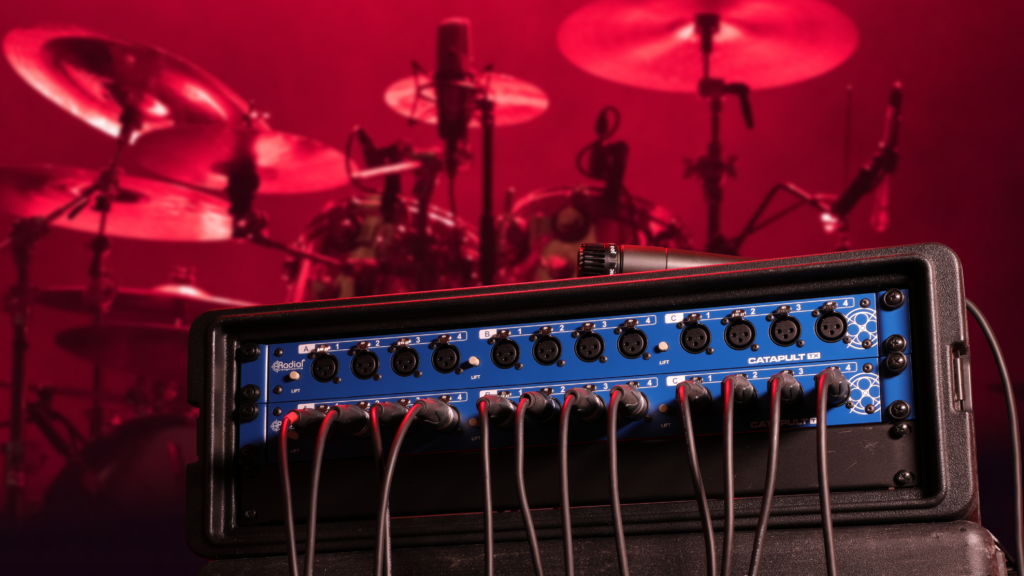
Stick to what you need to transmit a clean, true tone. There’s a reason many experienced players are wary of devices that promise to do everything you need and then some. They can introduce unnecessary complexity and, even if they seem cost-effective, can come at a price.
Ask yourself:
- Does this actually do what I need it to?
- Does it do that well?
- Does it streamline or complicate my workflow?
- Is it so complicated that getting it to do that, reliably and repeatedly, is, in itself, a chore?
- And, critically, is it built well?
You can learn a lot about a device by getting your hands on it. If it feels like a toy, well, maybe it is.
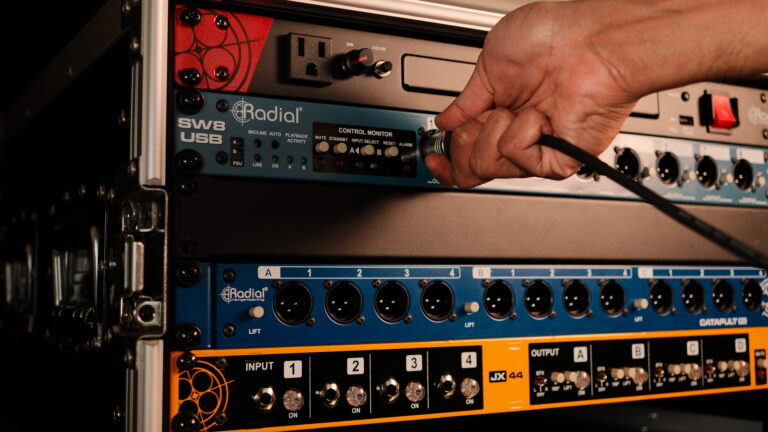
Many instruments (a vintage guitar, an irreplaceable orchestral instrument, a new laptop) are too fragile, valuable, or critical to your gig to take chances with, even if they’re in a roadworthy case. You may want to move and pack them yourself. You certainly don’t want them sitting under, say, your guitarist’s 16-space rack or monster pedalboard, after they’ve been chucked into the back of a van or truck.
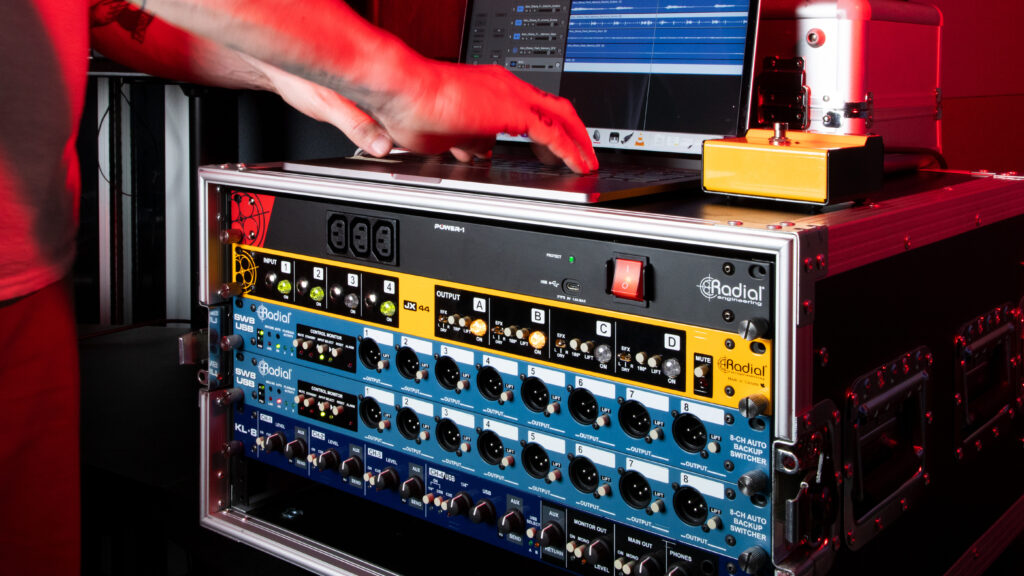
Extending that same level of care to your own pedalboard, rack, etc., isn’t always feasible. Not that those bits aren’t valuable and mission-critical themselves, but they’re likely to take more of a beating gig-to-gig than you’re willing to allow your main axe to endure.
If you’re deeply concerned about a given component surviving a sloppy pack, the random ‘hits’ amps, cabinets, or a wireless in-ear rig take regularly, or even vibrations from day-to-day travel, that’s a problem.
What kind of gear are we talking about?
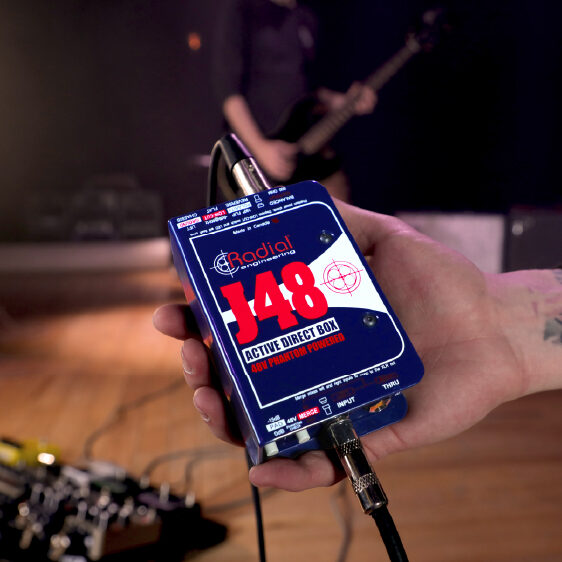
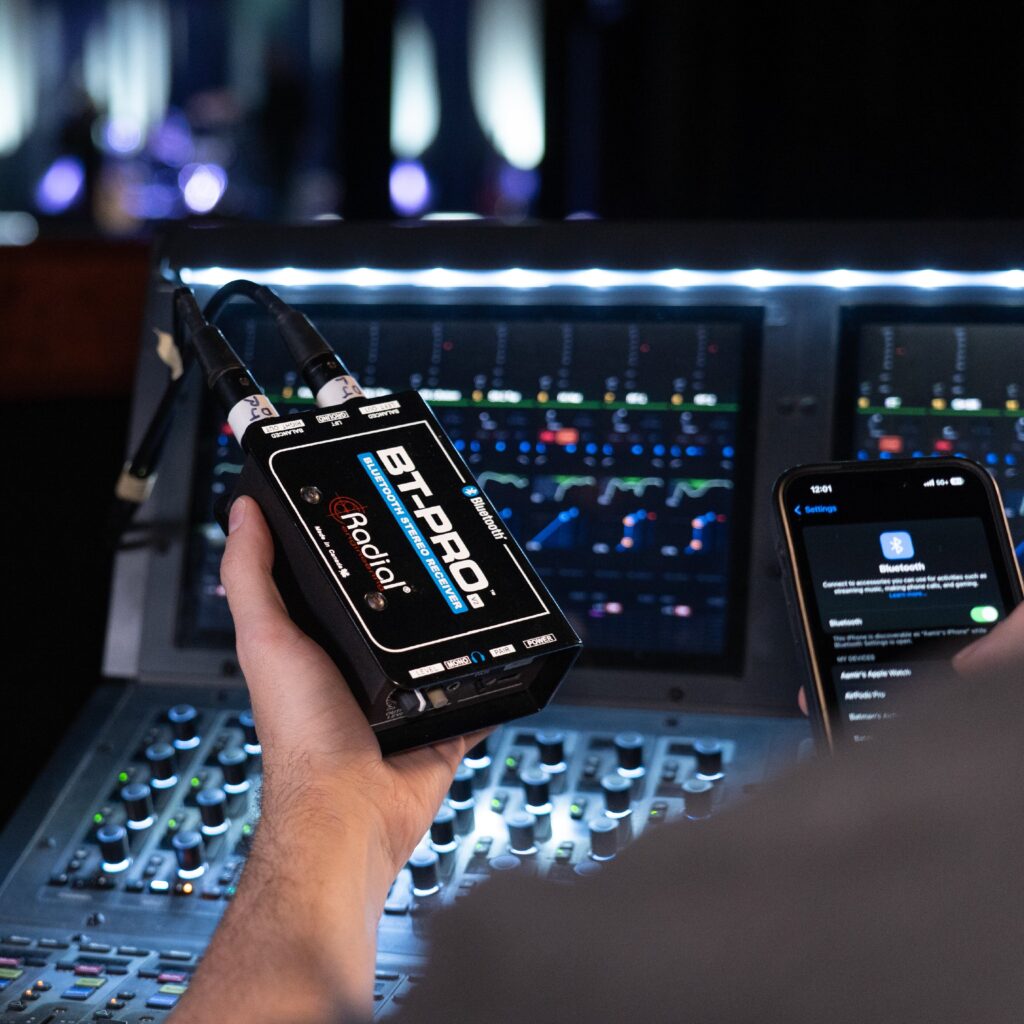
- Utility tools: workhorse and/or source-specific DIs, switchers, line isolators, interfaces, signal transport systems, even mounting solutions
- Tone-shaping tools: preamps and amp simulators.
- And, critically, even before your source, a pro-grade power conditional/surge suppressor.
The less you have to worry about those elements doing their job, the more you can focus on the job at hand before, during, and after your show.
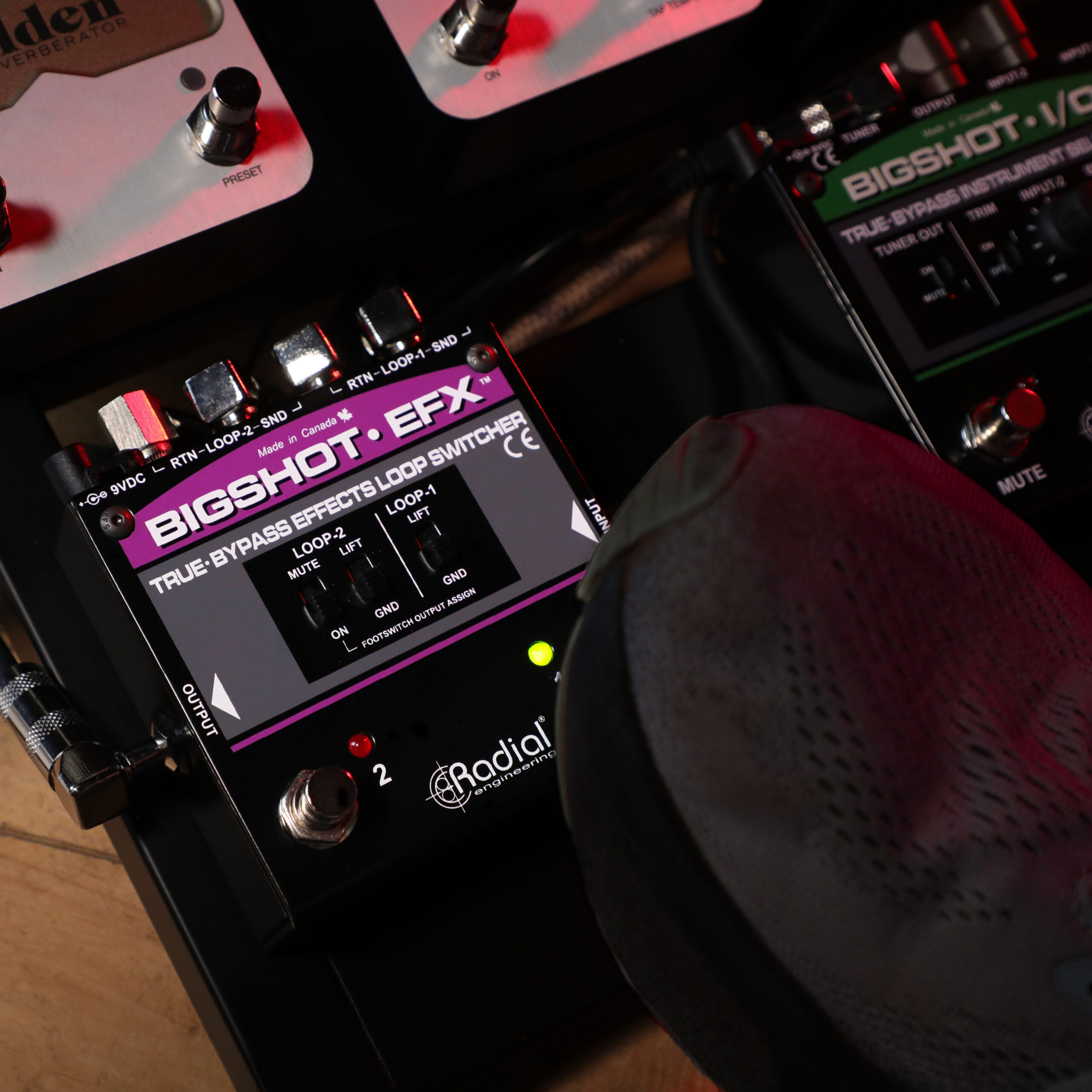
What makes a rig feel consistent and dependable?
First, familiarity and the ability to troubleshoot issues quickly and confidently (preferably without the audience knowing there’s an issue) is key.
Secondly, confidence, based on experience and not just positive thinking, that every link in your chain will do the job effectively.
And, thirdly, that any element(s) of your rig that could or might, potentially, maybe, even if it’s a long shot, fail are backed up: by having spare cables, wall warts, and proprietary power supplies handy; workaround plans/devices at the ready; creating redundant A/B rigs equipped with tools to allow seamless switching when necessary.
Why are professional setups often simpler than you might expect?
Typically because they’re a result of:
- Balancing needs and wants against reality and road-readiness and choosing tools
- Choosing tools that simplify your signal chain, provide clean routing, and transmit your sound without changing it.
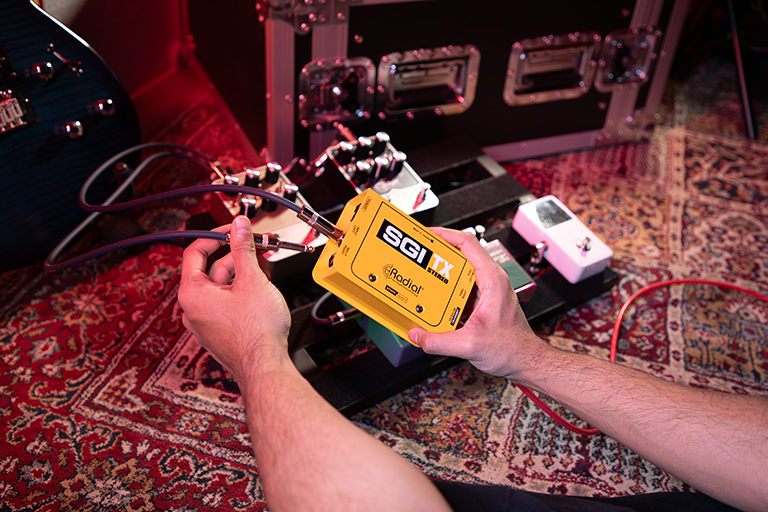
What a pro rig and workflow looks like depends on the player, the instrument, and the gig. But what all professional setups share is that they’re built based on preparation for the expected and unexpected and constructed with consistency top of mind. The simpler your setup, the easier it is to identify pain points, troubleshoot, and have confidence you’re good to go even when things start to go south.
Reducing complexity doesn’t mean limiting capabilities and options; it means ensuring those capabilities aren’t limited by failure points or issues that can crop up from venue to venue, like dirty power. For more on that, check out: Power Problems on Stage? Here’s How to Fix Them Before They Start – Radial Engineering
Collecting Gear vs. Streamlining Setups
Amassing a collection of instruments, pedals, amps, etc., is fine. Wedging as much of that into your live rig, because it’s there, is a recipe for disaster, even if you’ve got a full crew and a dedicated stage tech.
Adding unnecessary complexity on a system (or component) level isn’t ideal. That said, reproducing what you’ve recorded live often requires adding elements to your setup.
Whether it’s a signature vocal effect, a sound driven through multiple amps, the need to Reamp® or switch instruments, amps, or FX chains, run track, handle multiple keyboard sources in real time, or swap between your main and backup rig, it’s a fair bet that increased complexity is unavoidable.
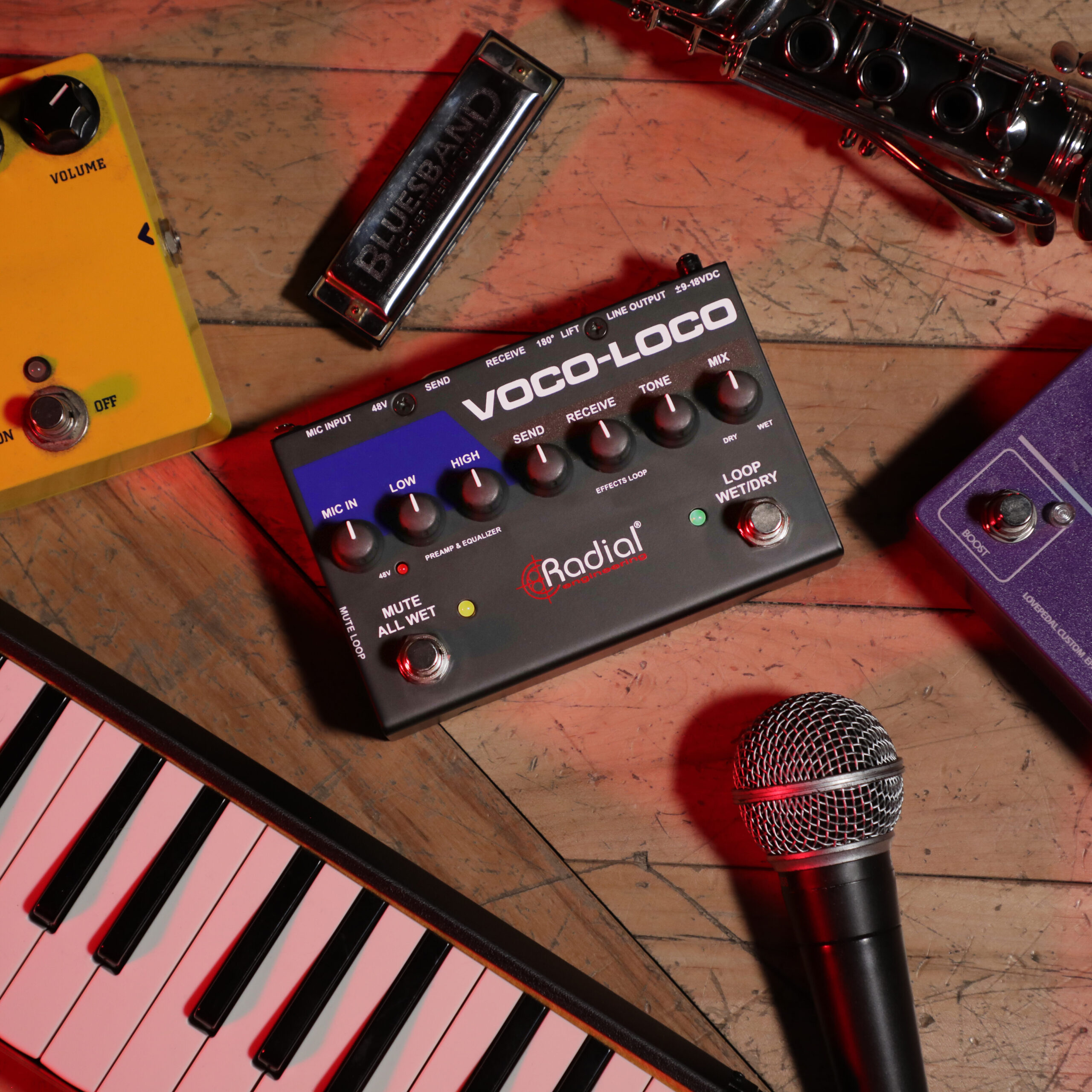
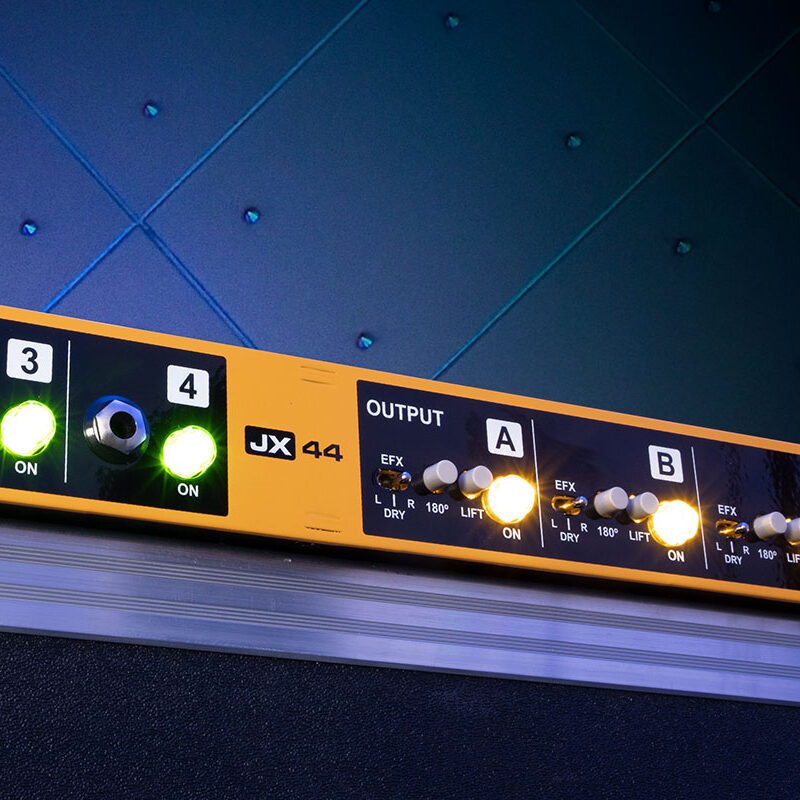
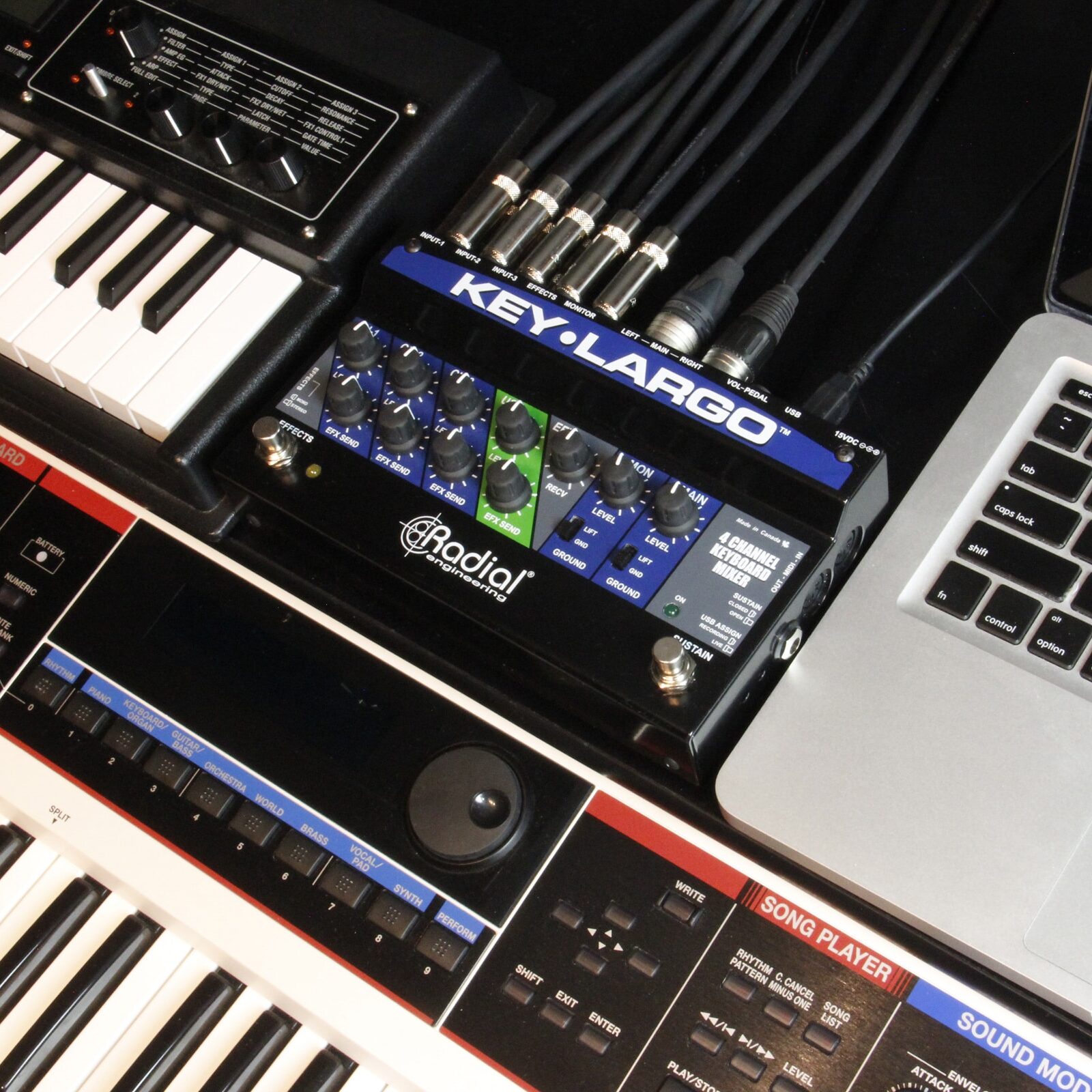
Dealing with that while ensuring reliability, road-readiness, redundancy, and seamless onstage signal flow and workflow is a constant preoccupation for beginners and pros alike.
It’s also the driving force behind every device Radial has designed and released since the JDI came out in 1996. Whatever stage you’re at, whatever stages you’re performing on, whether you’re looking for simplicity, flexibility, trying to solve a common problem, or a problem you never thought you’d need a solution for, we’re here to help.