A Clear-Your-Mind Checklist for Choosing Reliable Professional Audio Gear
Decisions about what gear you deploy in your system are largely a matter of personal preference, but some considerations are universal.
Evaluating needs vs. wants from a full system standpoint is a good start and an almost meditative exercise. Like wandering around your home and poking your head into the corners to answer age-old musical questions like: What needs to be done around here? How do I get it done? What’s it going to cost?
Chances are, after examining your setup and signal situation, you’ll float several plans before landing on one that works for you. One that remains fluid and flexible as you evaluate next steps, as it should.
Next up, research and determining the bare minimum requirements:
Obviously, those depend on the type of gear and application you’re evaluating, as well as functionality, cost, and potential learning curve.
Once you’ve got a short list, obviously, ‘Is it built tough?’ is an important first question.
Beyond that:
- Has it been designed for the reality of your use case?
- Does it simplify or complicate things?
- Will it continue doing its job as your system and needs evolve?
Far-reaching feature sets are fine to a point. Far-fetched flexibility? Not so much. Confidence that the gear will do its job when it matters is key. That’s the point of purpose-designed devices for specific tasks that provide the flexibility to adapt to changing circumstances related to connectivity, signal reproduction, and redundancy.
Let’s consider a few examples:
#1 – Connectivity: Will it work with your system?
Consider:
- Input and output compatibility
- Balanced vs. unbalanced connections
- Isolation/grounding considerations
- Connection/build quality
The Situation: Adapting consumer-level sources to pro gear.
The Solution: A device that offers the necessary physical connections, impedance, and signal conversion capabilities.
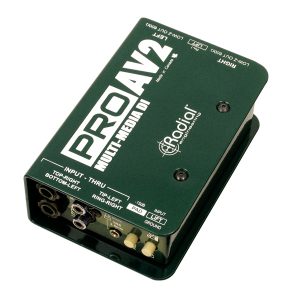
Case in Point: With an array of connection options, Radial’s ProAV2 Stereo Passive Multimedia Direct Box provides seamless interfacing with pro audio gear.
Among other benefits, the ProAV2 accomplishes a specific task while providing the flexibility to adapt to various situations: a 3.5mm stereo input jack and dual 1/4″ and RCA connectors to eliminate adaptor cables (and time wasted sorting through your kit to find them); balanced mic-level XLR outs for sending signal out through a snake along with transformer isolation.
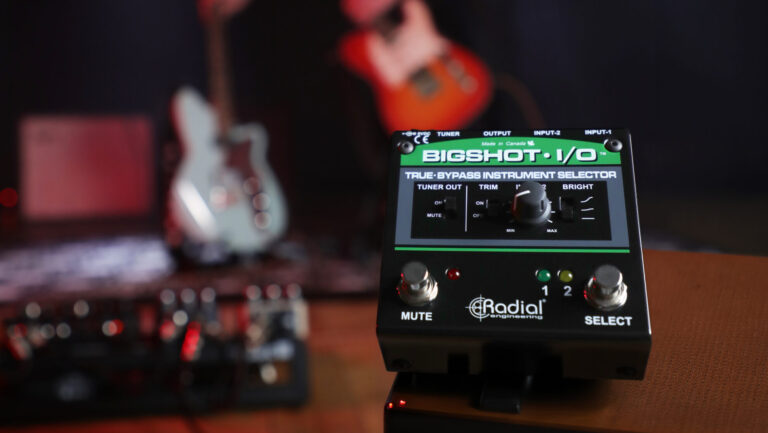
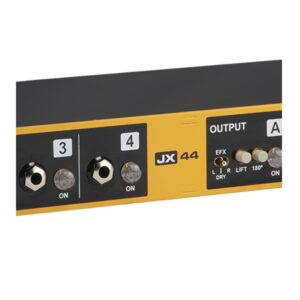
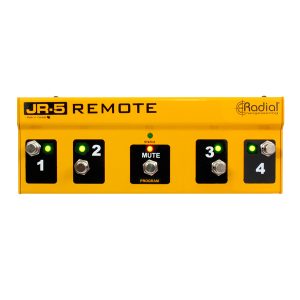
Similar connectivity considerations come into play in different applications, such as controlling/switching guitar rigs. Among other core competencies, the JX44 V2 guitar, amplifier, and FX signal manager allows for remote switching via MIDI or our JR-5 footswitch.
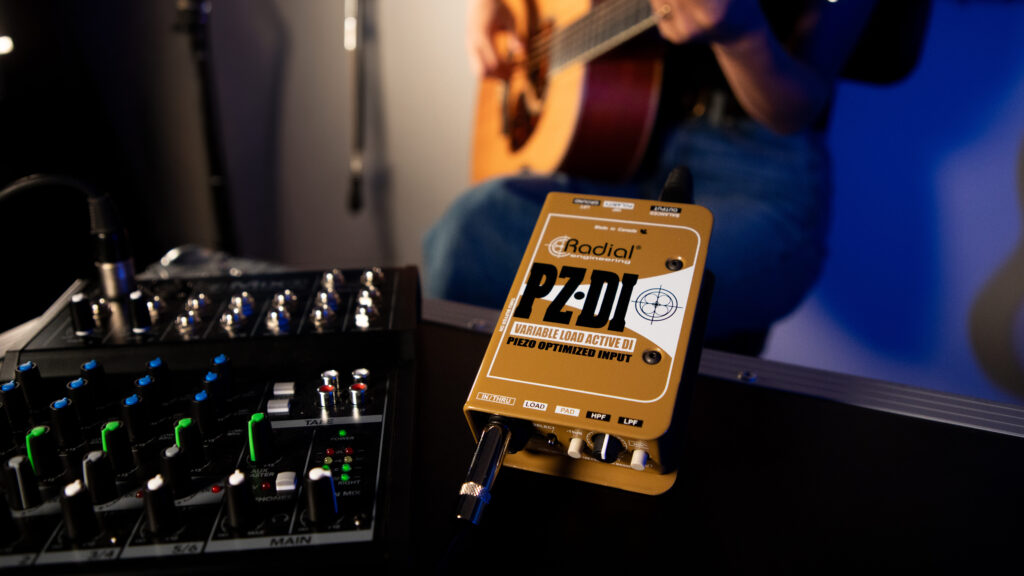
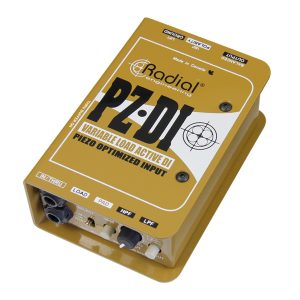
Acoustic setup? The PZ-DI selectable input impedance accommodates magnetic and piezo pickups.
#2 – True Tone: Can you trust what comes out?
- Connectivity options don’t matter if your signal is compromised owing to:
- A lack of headroom
- Noise, interference, ground loops, and isolation
- Loading/tone issues
The Situation: Getting from here to there while maintaining source tone and integrity.
The Solution: DIs that preserve tone by offering transformer isolation to eliminate ground loop noise, a wide frequency response, and low phase and harmonic distortion.
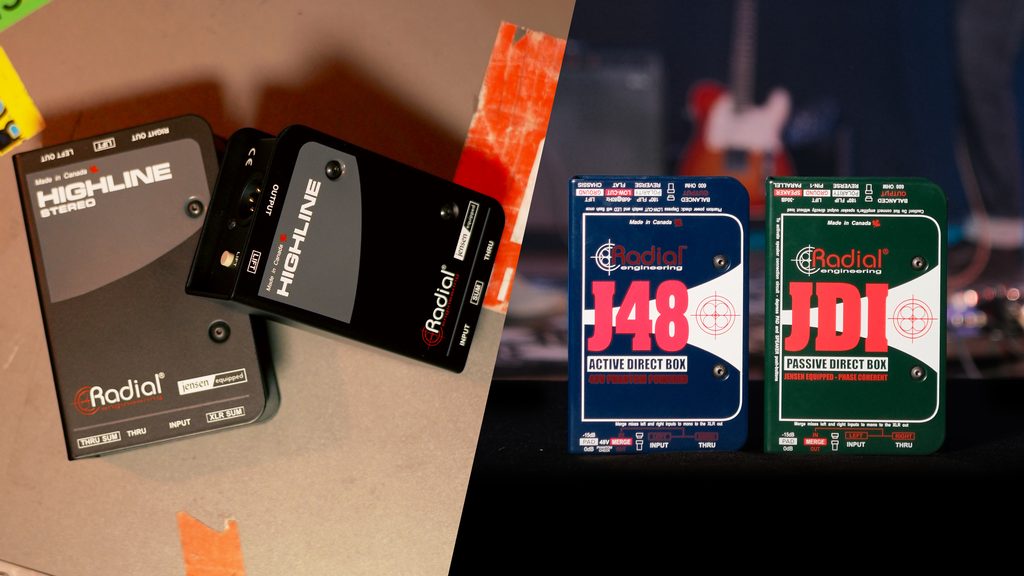
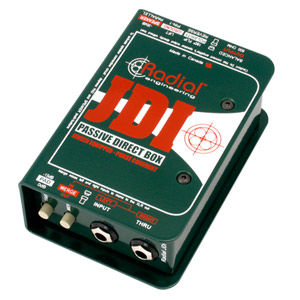
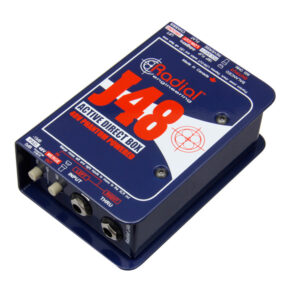
Case(s) in Point: Naturally, it depends on your source, but choosing a box with the best transformers in the business such as, Radial’s Jensen Transformer-equipped passive JDI (or an active solution like a J48, purpose-designed to handle extreme levels without clipping) are both solid (physically and in terms of signal handling) options.
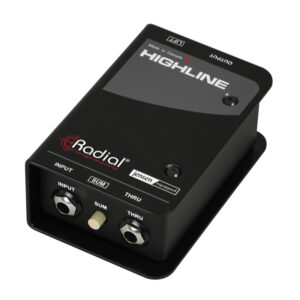
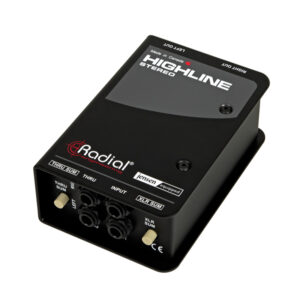
Similar considerations apply to line isolators, like our Jensen Transformer-equipped Highline and Highline Stereo boxes.
#3 – Redundancy: What happens when something fails?
Rule #1: Hope for the best, but prepare for the worst by:
- Ensuring redundancy for gig-critical systems and sources via primary and backup systems/signal paths
- Enabling seamless switching between main and backup systems
- Having contingency capabilities, plans, and backup gear and systems ready and waiting
The Situation: Your playback computer or keyboard rig fails during performance.
The Solution: Devices that offer simultaneous connection and switching between primary and backup laptops running virtual instruments or backing tracks.
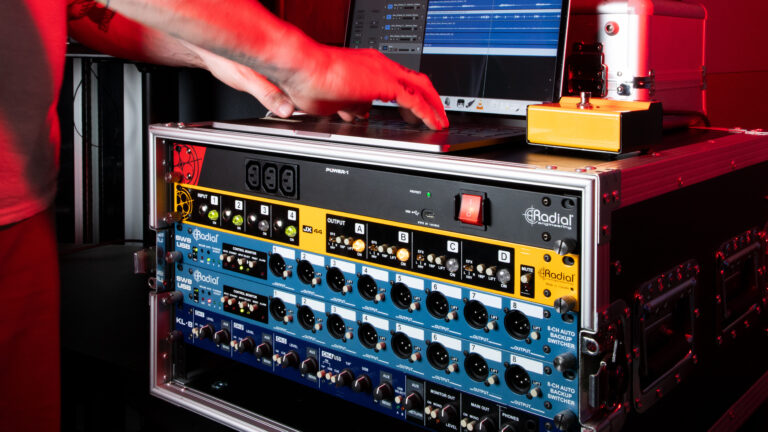
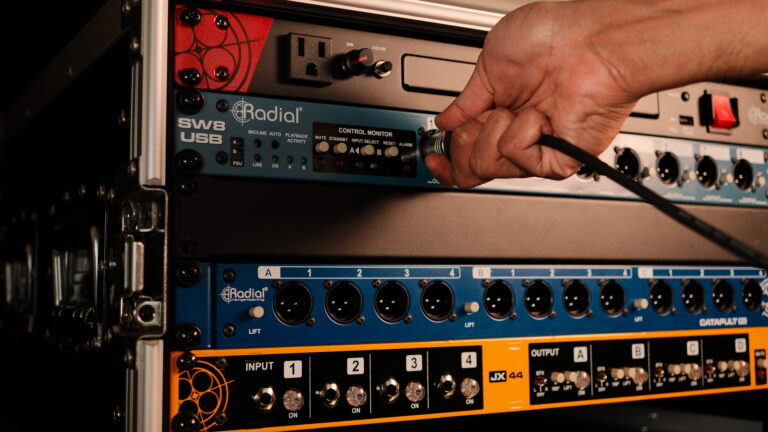
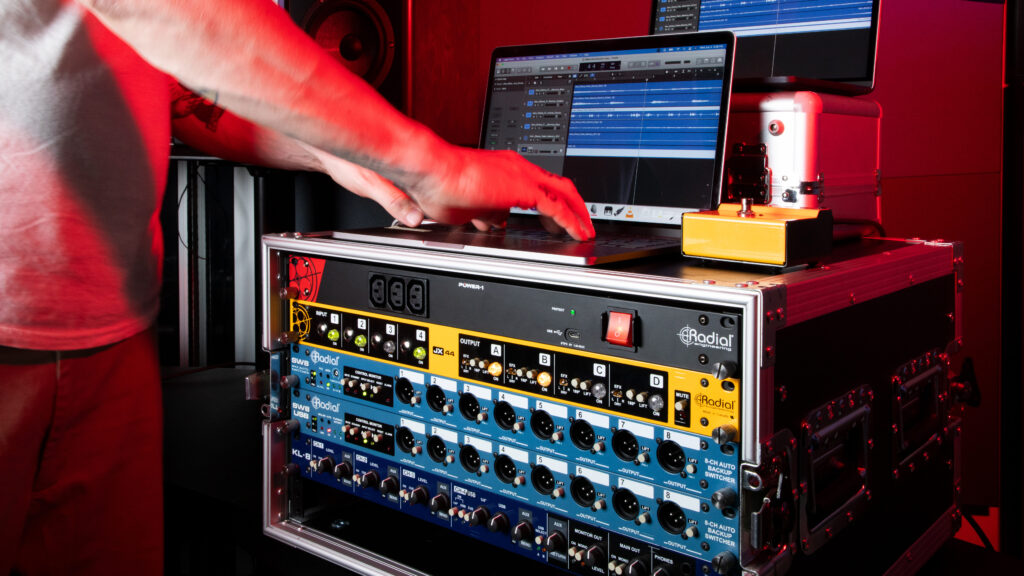
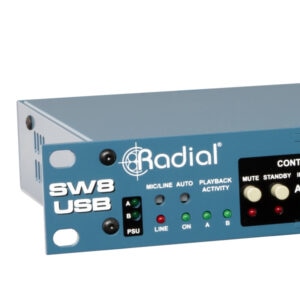
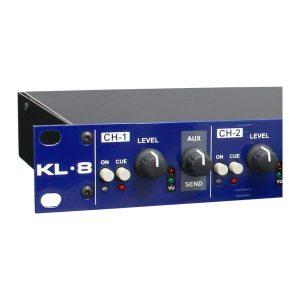
Case in Point: The SW8 Auto-Switcher, SW8-USB Auto-Switcher/Interface, and KL-8 keyboard mixing station: all 1RU units for peace of mind whether you’re switching manually or automatically, and can be deployed in multiples to scale up to meet the demands of larger setups.
If that level of redundancy seems like going too far down the reliability rabbit hole to pursue (no matter how tasty the result), fair enough. Even the most paranoid and backup-minded of us have to draw the line somewhere. You do you.
But redundancy doesn’t have to break the bank:
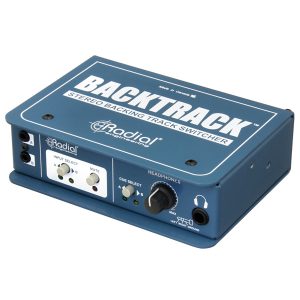
Case in Point: Economical options like the Backtrack Stereo Backing Track Switcher offer a compact, user-friendly solution that keeps your gig on track without adding high cost or complexity.
Granted, if a laptop fails, for example, you can reboot while vampin’ on whatever instrument is handy, or engaging the audience in another entertaining way until that’s done. Even in a worst-case scenario, where the only path forward is picking up an acoustic guitar, gathering bandmates around one mic, and making the best of it, well, your audience just got a show from you that’s truly unique. It may not be what they expected, but they won’t forget it.
Of course, neither will you or the folks who hired you. When the stakes scale up, the calculations around costs of redundancy vs. future revenue from, say, a well-heeled corporate client, may add up differently.
Variations on a Theme:
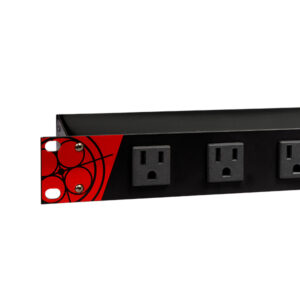
Connectivity extends to power provision: protecting your rig from surges and your tone from dirty power problems, and powering up predictably wherever you are in the world.
Leveraging a single purpose-built device to solve a specific issue instead of a multi-device workaround that requires additional connections helps ensure your tone stays true.
Even if full-force redundancy isn’t your bag, making your setup easier to troubleshoot with purpose-built devices, constructed to survive stage use, that do the job of multiple devices is a wise idea.
How Radial Helps:
Three decades of designing equipment for professional environments have exposed us to problems that don’t necessarily appear on a spec sheet.
That’s why every Radial device that ships with a 15V power supply which includes physical connectors for global use.
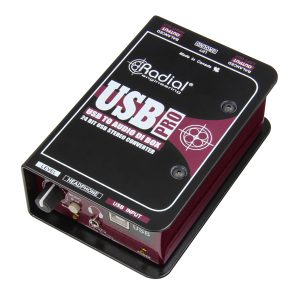
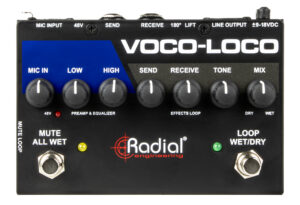
And why we consistently update lines like our Power Series, our USB DIs, and purpose-built problem solvers like our Voco-Loco Mk2, with the evolving needs for connectivity, reliable and faithful signal reproduction, and redundancy top of mind.
Looking for rock-solid, reliable audio gear that’s Built for the Connections that Matter? Put Radial on the Rider!