Key Takeaways
- Great shows are never entirely flawless
- Preparation allows engineers to focus on performance, not troubleshooting
- In system design, reliability wins over complexity
- Common problems require dedicated problem-solving tools
- Meeting challenges consistently and quickly requires forethought
The Hidden Work Behind Every Show
There’s no such thing as a perfect show. Every live performance and even live sound itself involves compromise.
You do the best you can to meet any challenges the venue presents: with the tools and crew you work with, by applying your knowledge and experience to get the best possible result, which is an audience that feels like they’ve seen a perfect show. The kind of show where, even if something does go wrong, the audience never realizes it.
Preparing Before the Show
To get that result (whether you’re mixing FOH or monitors), preparing for any eventuality ASAP is critical: building simple, reliable, and repeatable signal paths; labeling everything; reducing complexity; carrying backups for anything that might fail, and testing everything daily. So that potential problems, small or large, are addressed and prevented.
The first steps: familiarizing yourself with the artist’s music, how they want it to sound live, their technical rider, and the gear and systems each performer uses on stage.
Next: fix what you can before it fails. There are two parts to this: identifying and eliminating any potential points of failure from the source on out and recommending changes to the band’s gear and technical rider that could cause problems.
How effectively you can do that obviously depends on the time allotted for pre-production and how willing the artist (and/or management) is to make those changes. Cost is always a consideration, and musicians are often reluctant to alter their stage setup if it works for them, even if it’s not as reliable as you’d like.
Again, everything is a compromise.
Troubleshooting Under Pressure
Now that you know what you’re up against, you can develop a plan and workarounds for issues you know will, or might, crop up (and for those you dearly hope won’t).
The more prepared you are, the better you can troubleshoot when the pressure’s on. And the pressure is always on: during shows, but also before, after, or on a travel or off day.
Gear doesn’t care if you had other plans. Venues aren’t always completely transparent about (or aware of) any on-site issues (pre-existing or brand-spanking new).
Fixing what’s broken or could break isn’t something you want to deal with on show day. That’s why you thoroughly advanced the show: you already know the venue is prone to RFI or EMI interference, a line array element on the right-side hang is dodgy, and there are a few bad channels on the snake running from the stage to FOH. Or that the venue just got a new monitor and/or FOH desk that A) they’re still fine-tuning routing for, and B) you don’t have a file for.
You can deal with that because everything you can control is sorted and planned for; every system you’re deploying is reliable, racked up and ready to go, with spares on hand, and redundancy in place.
In short, you can troubleshoot without anyone in the audience (and ideally anyone in the band) knowing something went sideways.
Reliability Over Complexity
Let’s revisit those potential failure points we mentioned earlier. The ideal way to deal with them is to eliminate as many as possible. That’s why reliability wins over complexity every time, with every system.
When it comes to signal flow, cable management, pristine, predictable sound reproduction, and ensuring the true tone of each player and the entire band comes across without compromise, having the right tools for the job is key.
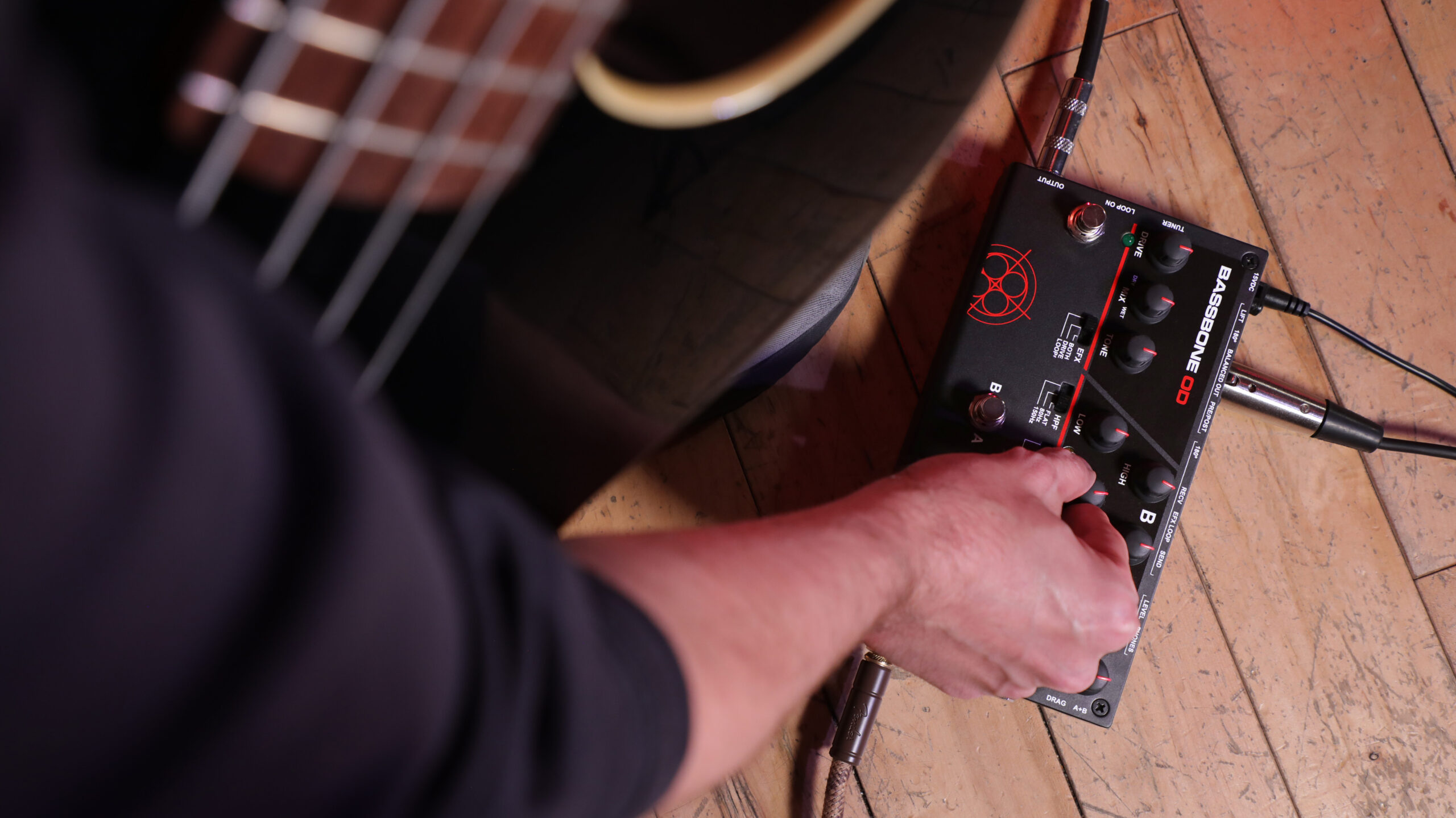
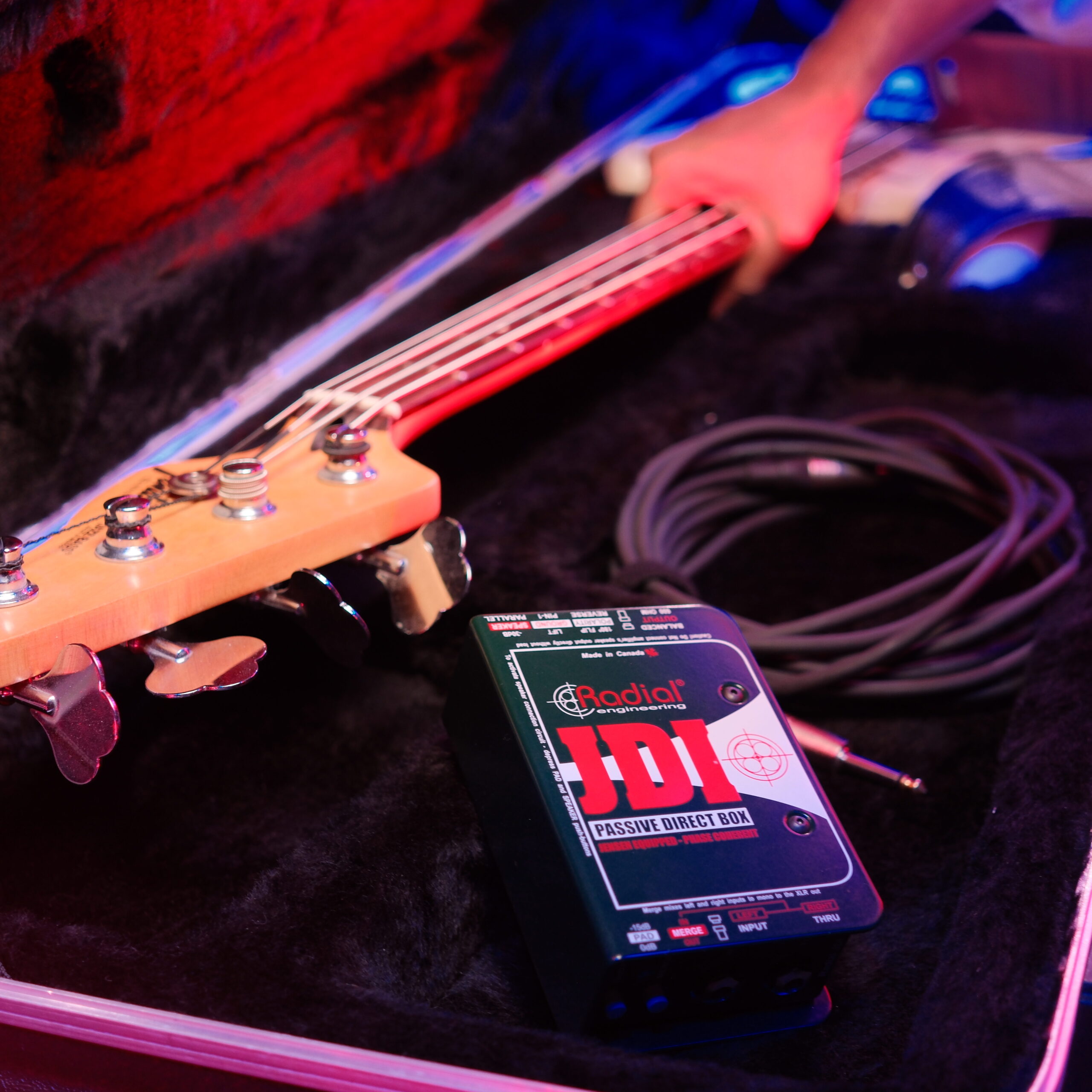
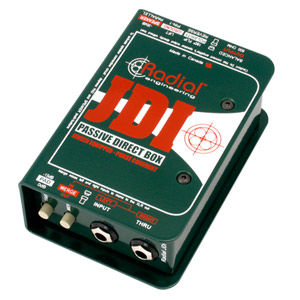
Traveling light is sensible, but not at the expense of sound and reliability. Having multiple workhorse DIs like Radial’s JDI on hand doesn’t hurt, but if a source requires an instrument- or task-specific box, be it a DI, preamp, FX unit, line isolator or signal transport system to sound its best, without fail, trading a bit of space for peace of mind is a small price to pay.
Experienced engineers (and players) deploy rugged gear that does what it’s supposed to, well. They also treat ‘all-in-one’ devices that promise the world with a degree of skepticism.
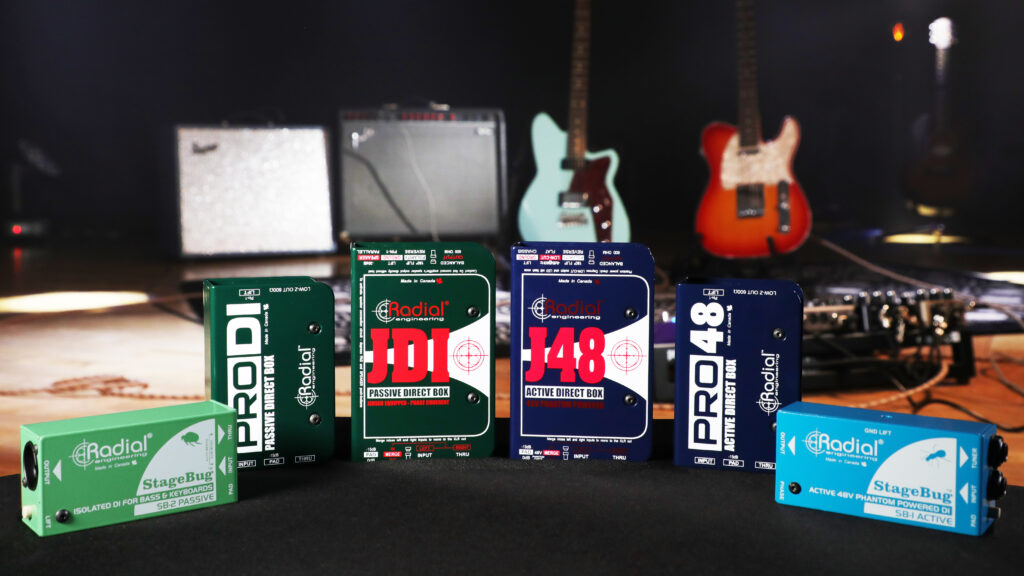
Complex, multi-function devices aren’t inherently bad. But devices that solve specific challenges make diagnosing and fixing issues on the fly easier and have fewer failure points.
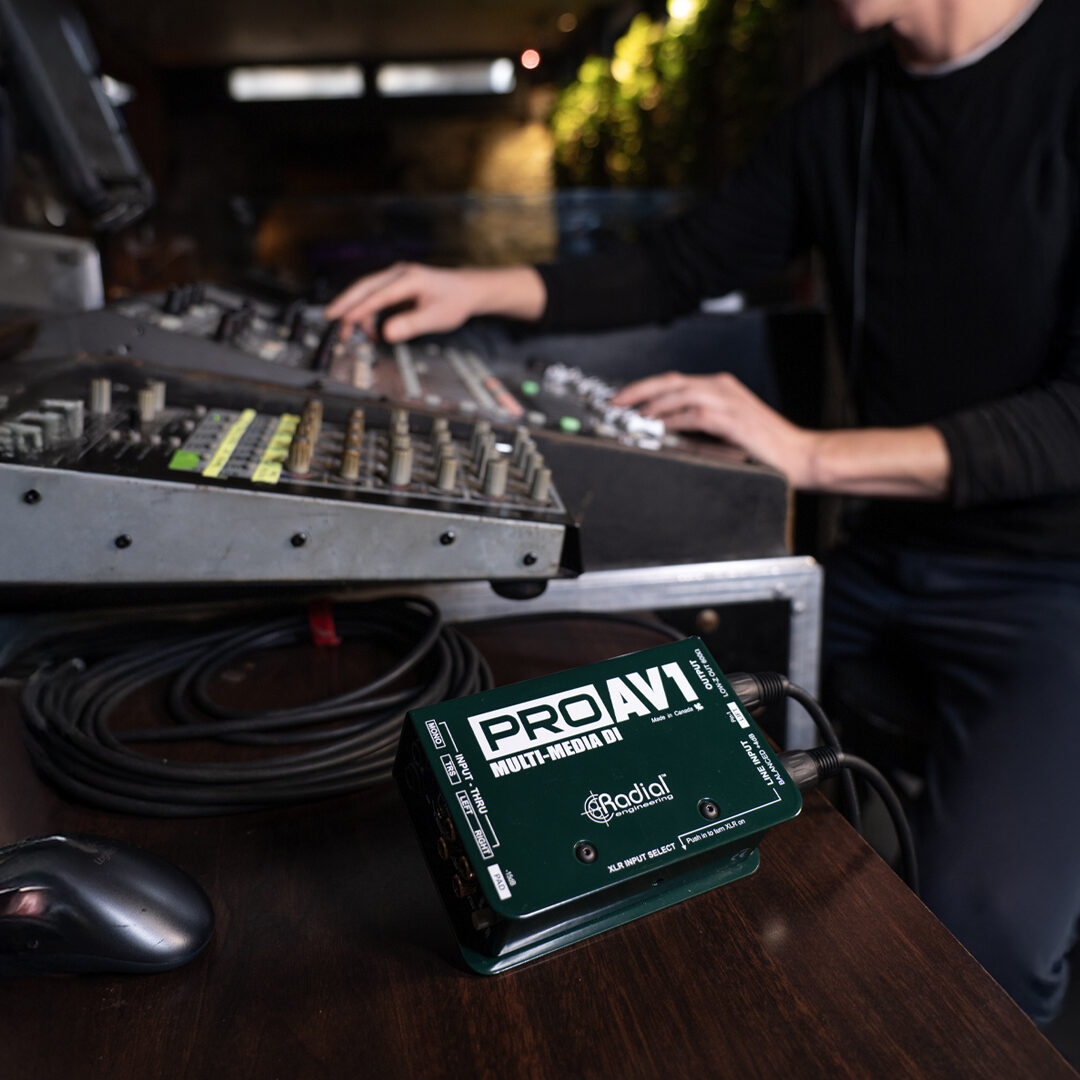
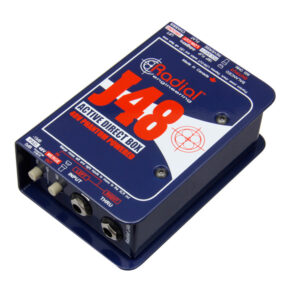
That’s particularly important when choosing a DI: determining whether you need an active or passive DI, mono or stereo, if a source-specific box for acoustic or electric guitars/basses or digital sources like laptops/playback, and what DI is best for high-output sources, and for preserving signal integrity and tone over long cable runs.
Tools That Help – Radial DIs
Eliminating Common Problems
So, what kind of issues are we talking about, why do they happen, and how do you deal with them?
Let’s look at a few of the most common scenarios:
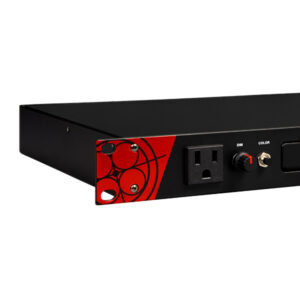
Starting at the source, your power source. Dirty power and damaged or consumer-grade power bars are problematic on- and off-stage, increasing the potential for hum, buzz, and EMI/RFI interference.
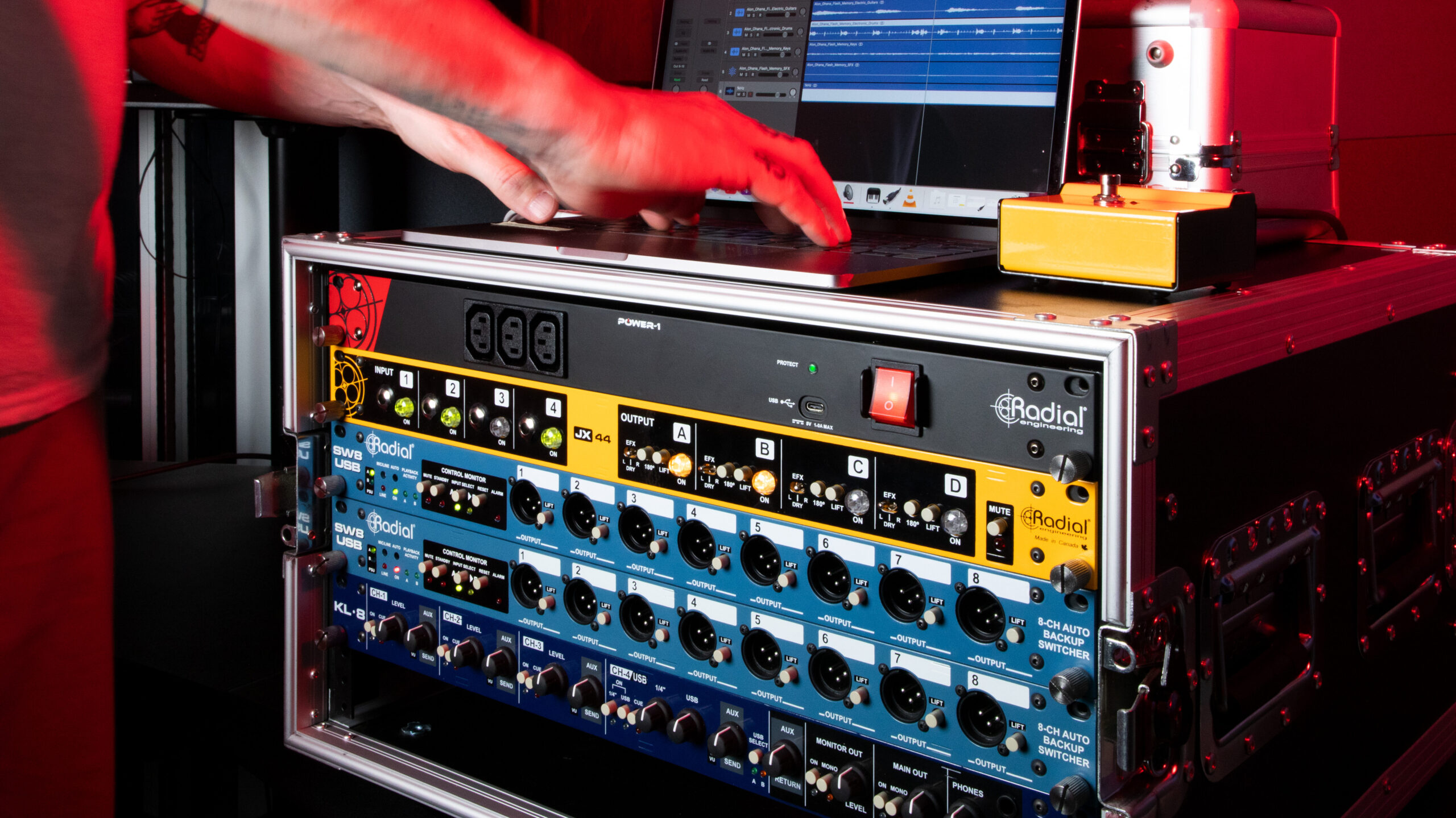
Pro-level power supplies, like Radial’s Power Series, not only do they help keep your signal clean; they also help keep you and your gear safe from electrical damage.
From power infrastructure and stage constraints to system issues and the chops of the in-house crew, every venue introduces unknown variables. That’s why pro engineers often carry ‘just in case’ utility tools; tools they may or may not need, but are definitely handy.
Radial Power Series, Line Isolators, Mixers
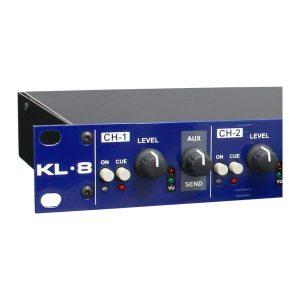
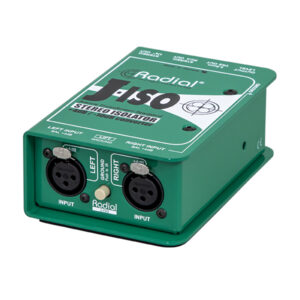
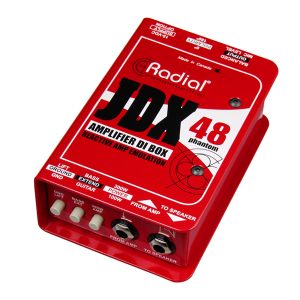
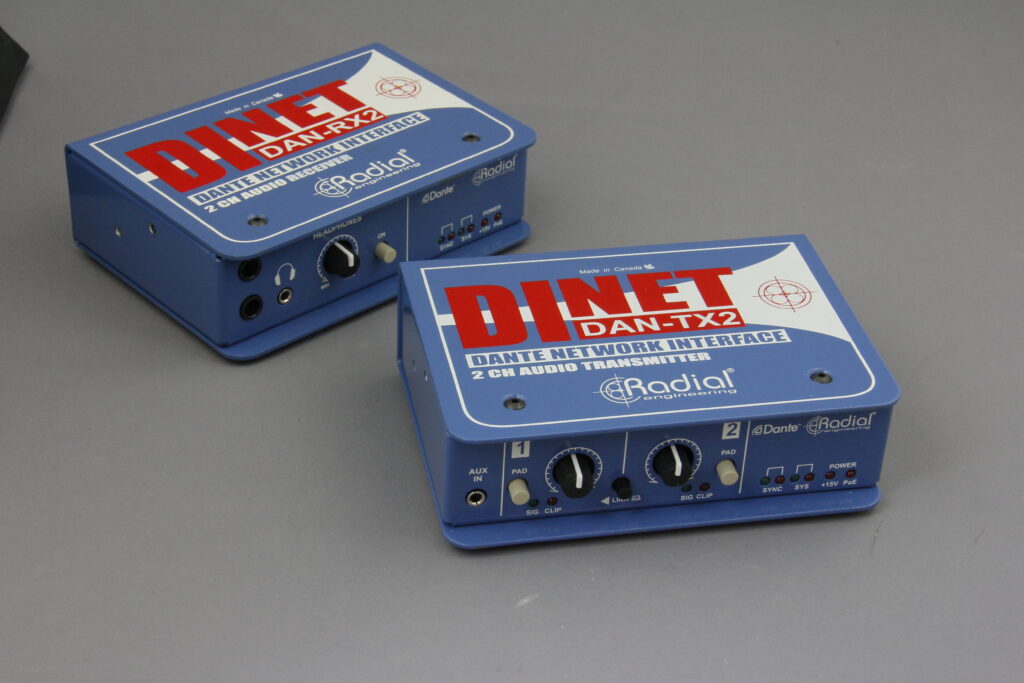
Then there’s hum and ground loops: annoying, persistent, but manageable with the right gear. A high-quality DI allows you to cleanly interface with the PA without altering your tone. For that, we’ve got plenty to choose from: passive, active, rack mounts, and even source- and task-specific options like our USB-Pro Laptop Direct Box, JDX 48 Amplifier DI, and DiNET DAN-RX 2-Channel Dante Network Receiver.
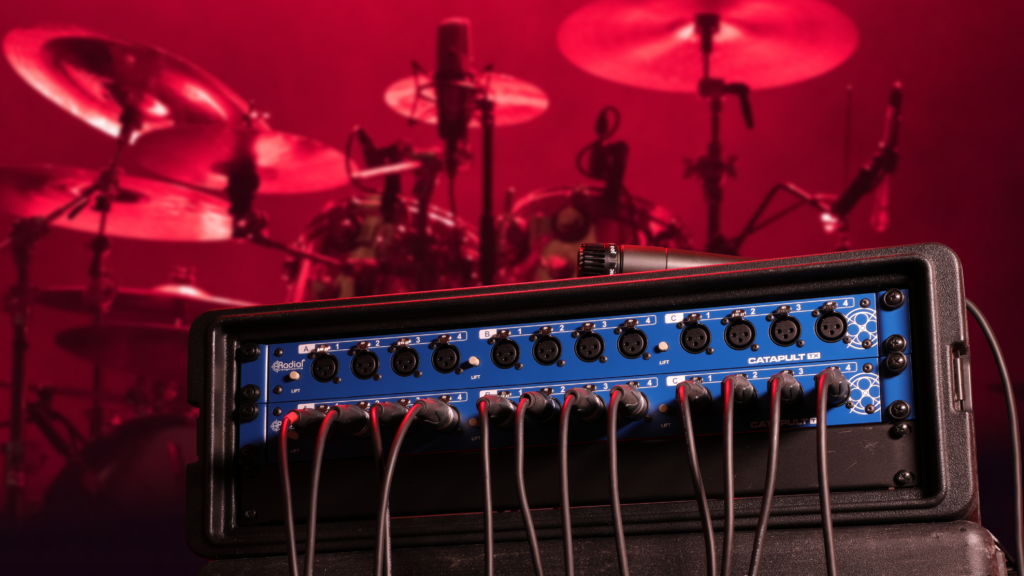
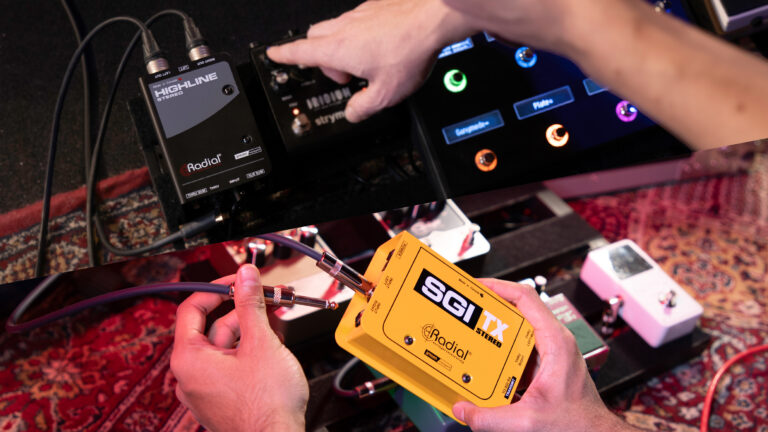
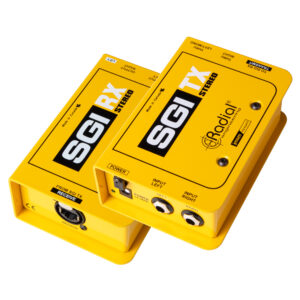
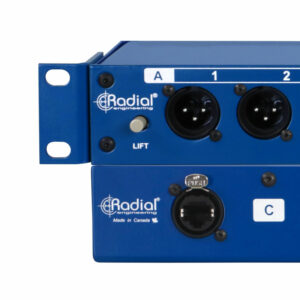
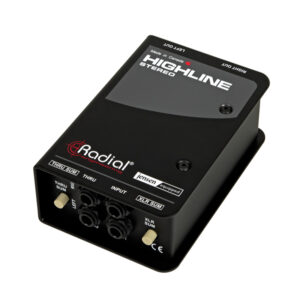
When dealing with long cable runs, specialized equipment can prevent signal degradation and interference from affecting your audio. Devices like Radial’s Highline Passive Line Isolators and SGI Line Driver System, and Catapult Cat 5 Analogy Audio Snakes ensure signal integrity over long distances and eliminate potential failure points by streamlining setups and cabling.
Radial Tools That Help – Line Drivers, Audio Over Cat5 Interfaces, Line Isolators
Backup Plans
No matter how well prepared you are, live, there are no guarantees. Having a Plan B (and a Plan C) to deal with any eventuality is essential. As are spare cables, mics, and devices you can deploy in a pinch.
Backup gear, however, doesn’t help if it’s not accessible, dialed in, cabled up, and ready to go.
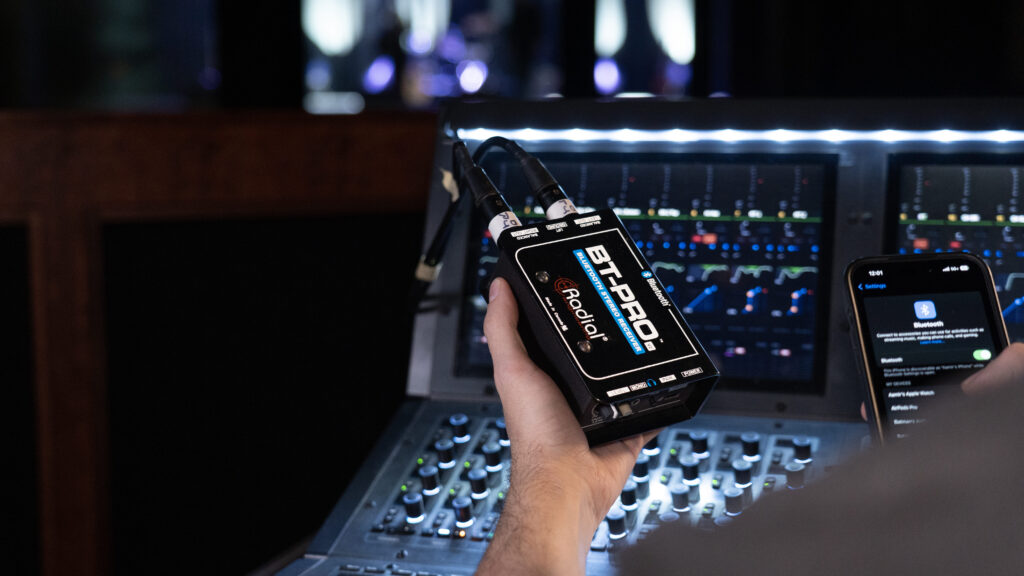
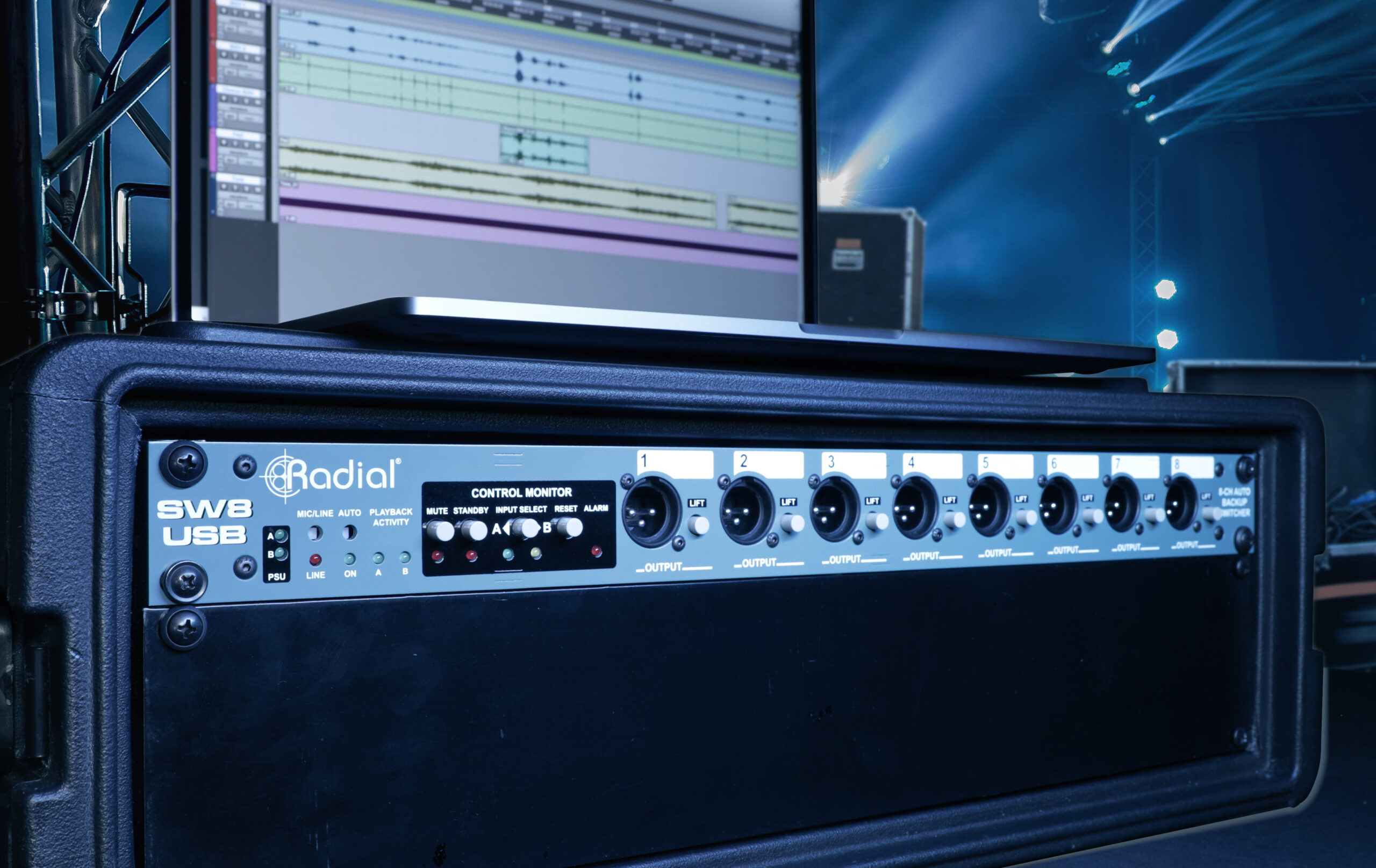
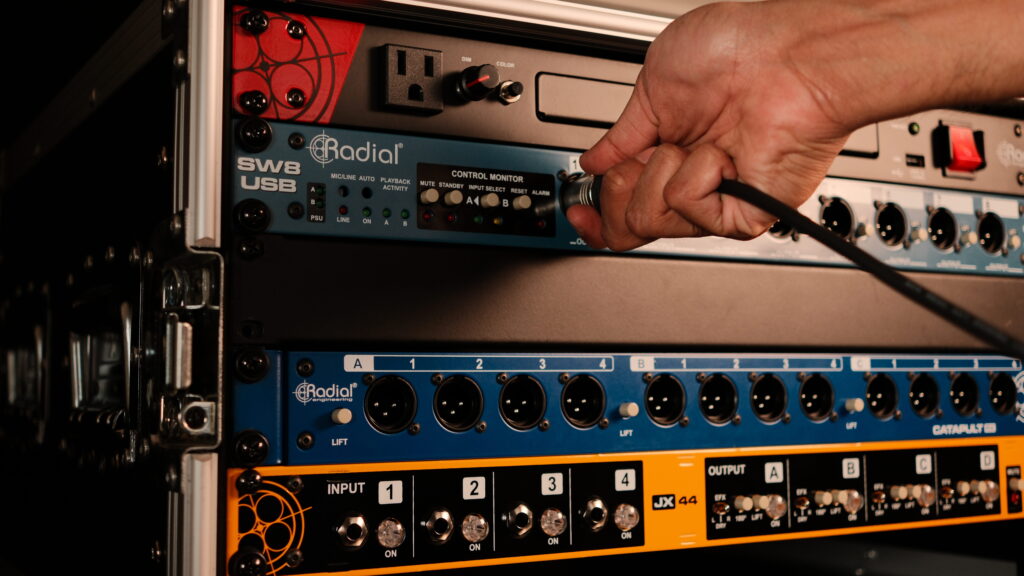
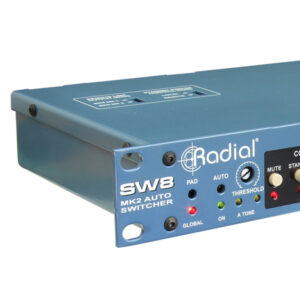
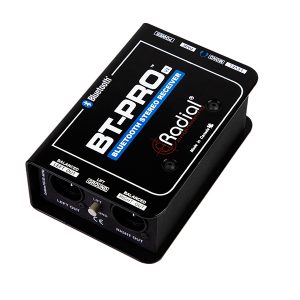
Redundancy, whether it’s having a spare lead vocal mic handy or switching from your main to backup rig seamlessly and simply, is increasingly important. Losing playback tracks or computer-generated sources can be showstoppers. The more fluid and reliable your backup is, the better, which was the driving force behind Radial offerings like our SW Series of Auto-Switchers and USB-Pro Laptop DI.
Radial Tools That Help –Switchers, Digital DIs
Flexibility by Design
When it comes to signal distribution, being prepared for any eventuality is also important, beyond day-to-day needs for shows.
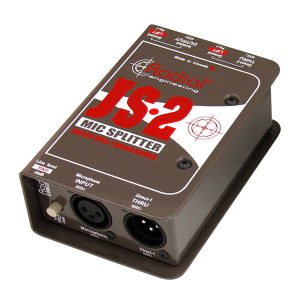
Building systems that are easy to implement and troubleshoot, flexible enough to meet the demands of broadcast, livestreaming, and recording applications, and that send clean, properly isolated signals to multiple destinations and/or consoles helps immensely.
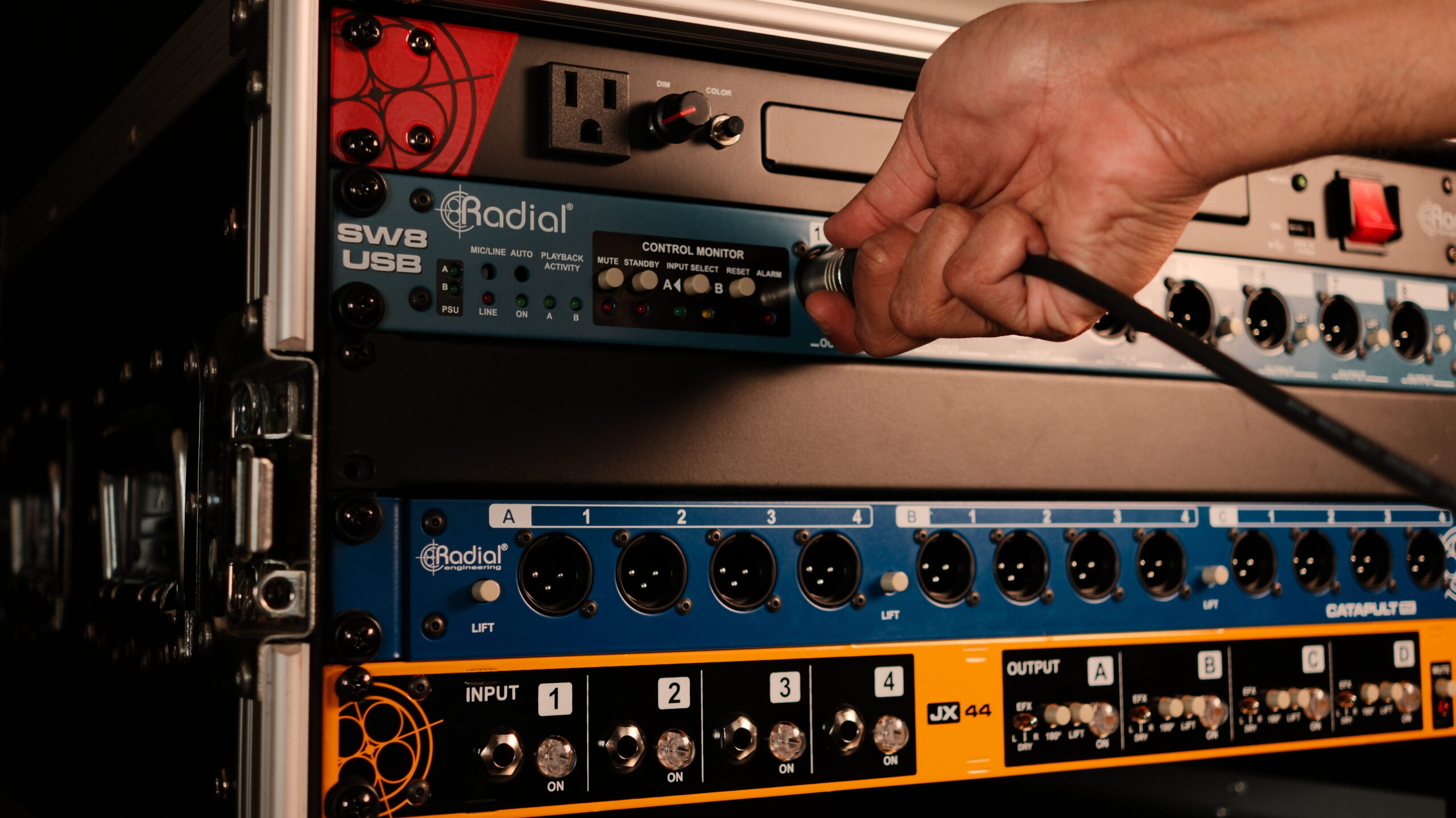
Radial Tools That Help – OX8, LX8, JS2/JS3, Rackmount DIs
Adapting to Challenges
Whether you’re just getting started in live sound or an old hand behind the desk; whether you’re trying to clean up a backup vocal or prevent a show-stopping catastrophe, the devil is in the details. And the details change every day. Fly gigs, festivals, even well-oiled touring machines can go off the rails at any moment. That makes preparing for situations you know will arise and those you hope won’t equally important.
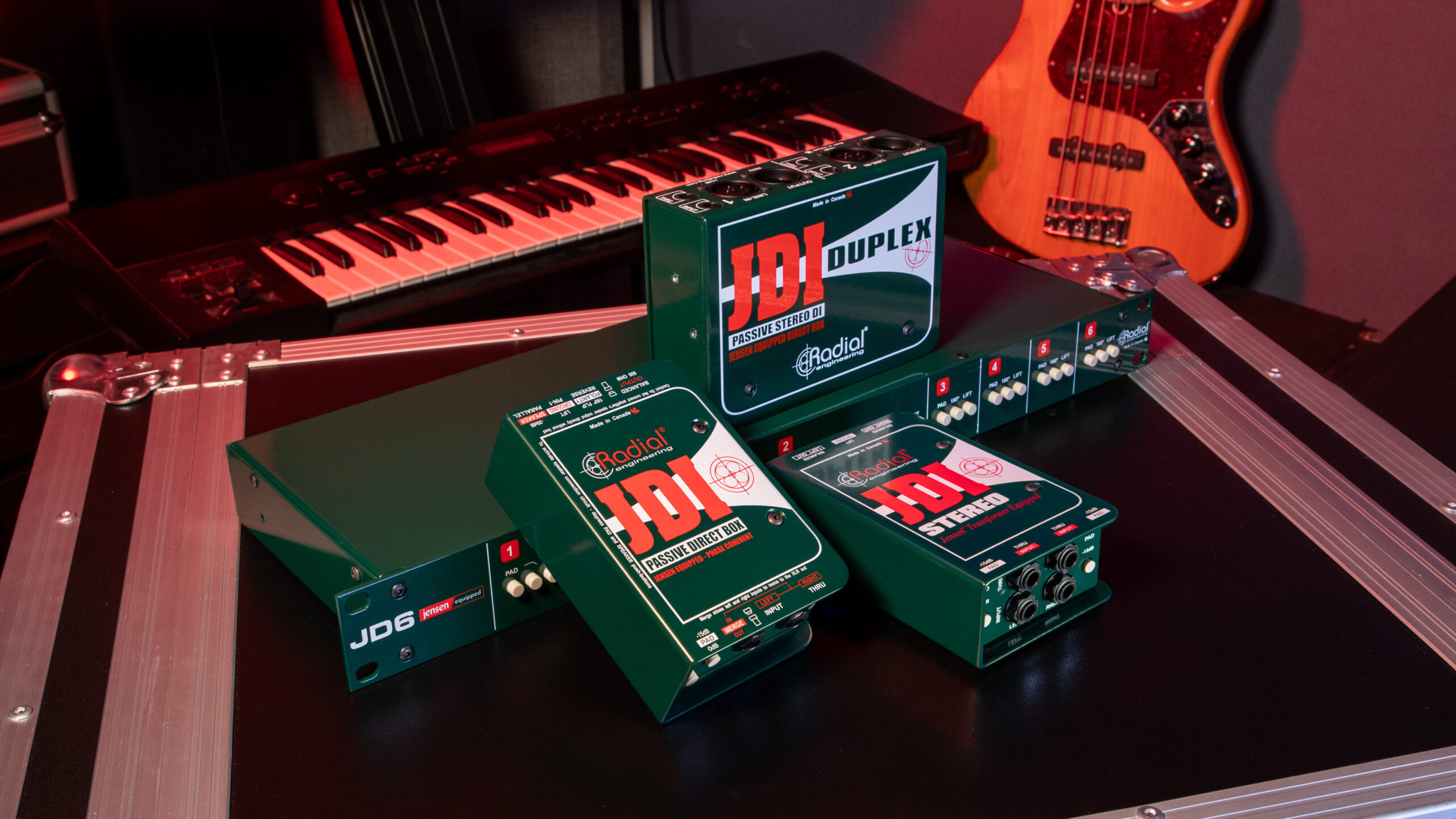
Good gear helps. And we believe ours is the best in the business. For 30 years and counting, Radial’s been designing problem-solving, True To Your Music solutions to make your gig easier and your sound the best it can be. But knowledge and experience are the foundation of building a great show and a lasting career. So, if you’ve got it, share it. If you want more – and who doesn’t? Seek it out relentlessly.
Again, a successful show isn’t a show where nothing goes wrong. A successful show depends on being able to deal with what does, quickly and efficiently, by having the tools, systems, and workflows in place that mitigate or at least minimize problems ahead of time.
Got questions? Looking for a way to solve a live sound problem we haven’t covered? Visit RadialEng.com for more resources and advice or contact us directly. We’re here to help.